 e
e
A strange thing has happened. For the most part I loathed growing up in Tasmania, (Peter Conrad’s book Down Home: revisiting Tasmania said it all for me: ‘this was not the life I wanted; somehow I’d been given the wrong one’) but lately, the last ten years or so, I’ve felt this irresistable pull towards the island. There’s a nice quote in the film Cinema Paradiso, words to the effect that you spend half your life trying to get off an island, and the other half trying to get back on. I even found myself googling Tasmania real estate agents the other day.
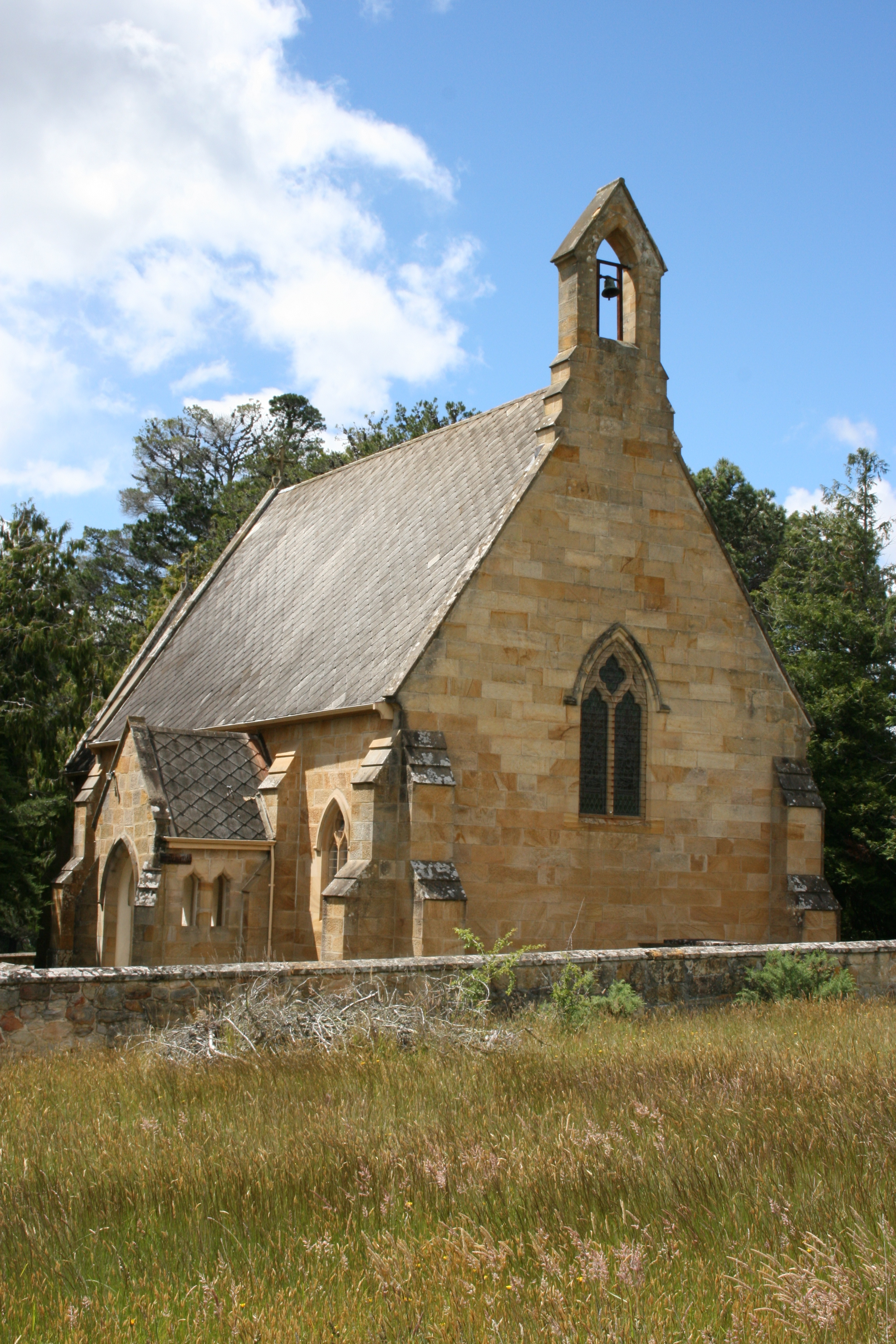
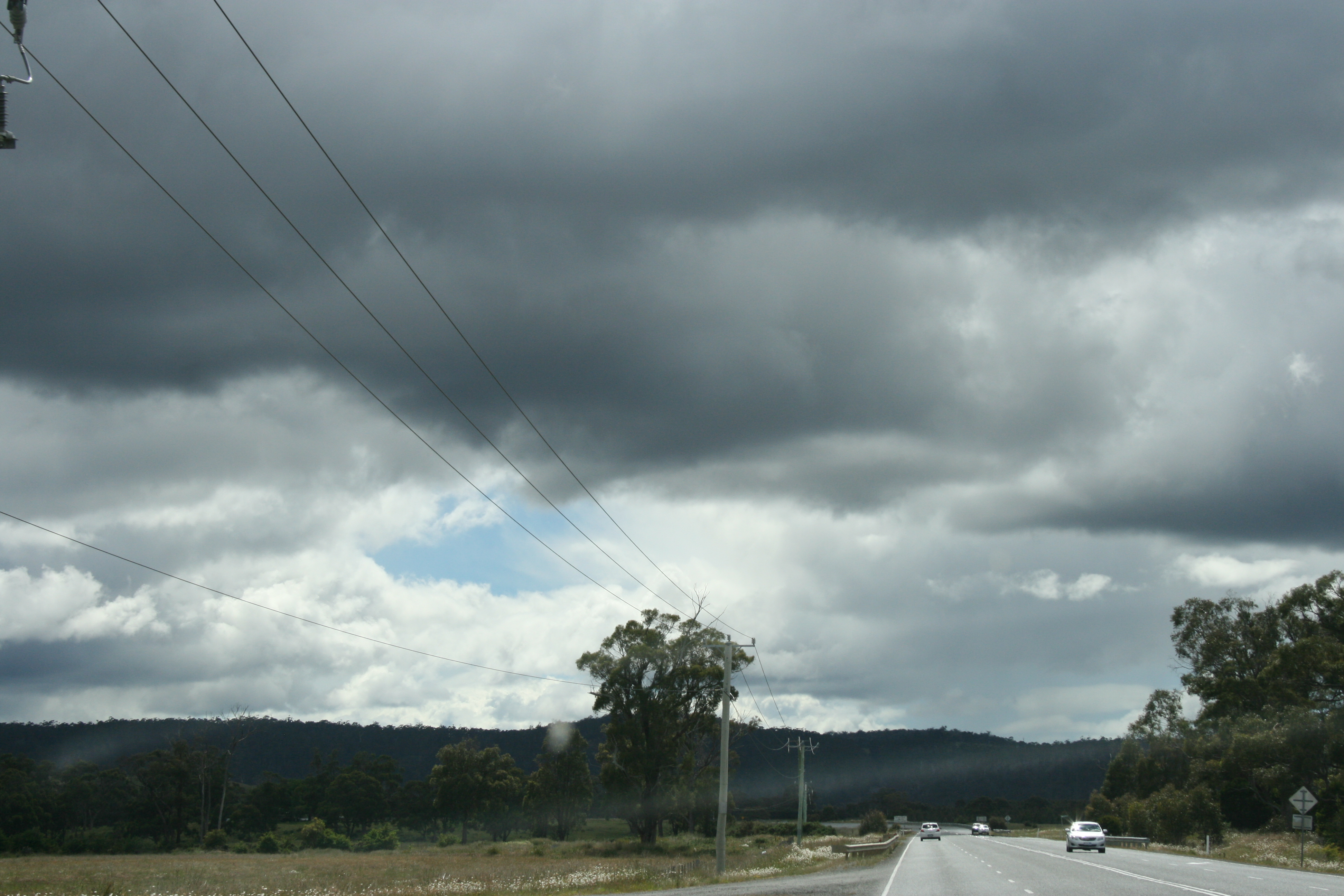
I mention this because I recently took my Mum, toddler and ex-husband on a campervan holiday around the State. Prior to departure, the holiday’s tag line was ‘my mother, a toddler, and my ex-husband in a confined space: what could possibly go wrong?’ It ended up being one of the nicest holidays I can remember. Personally it reinforced to me just how important both these people are to my daughter’s life, and professionally (or personally too) I felt myself drinking up the landscape, staring at lichen and rain filled clouds and stubbly fields of grass, wrought iron around old gravestones, convict built cottages, rotting bridges, pristine beaches, massive granite boulders. I couldn’t get enough of it. I remember this same sensation of ‘feeding’ about twenty years ago when I moved to London from Tasmania and spent days looking at the paintings in the art collections. I remember I developed a squint from staring at so many paintings. It was the same sense of continual epiphany.
The holiday was planned to celebrate both Mum and Aaron’s recovery from cancer, hence the name ‘The Remission Tour’. Like many artists, over the years I’ve bludged off my family quite substantially, and so it was nice to be able to do something in return; the trip was financed by the book I’d just finished co-writing for the University of Newcastle. My ongoing joke, which I’m sure I’ve cracked previously in this blog, is that I’m an artist who supports herself by writing: boom, boom. If I didn’t think it was well nigh impossible, I’d really like to have a stab at supporting the art via poetry. Now that would be an accomplishment…
Returning briefly to the subject of the Tasmanian landscape (even the words fill me with a strong sense of visual craving) I took heaps of photographs, intending to use them as backgrounds for the next series of paintings. I think that my painting is at its strongest when I have something tangible to fight against, interpret or re-invent. So instead of just relying on imagination to invent forms and imagery, starting with observation and adapting whatever you see. A painter friend, TB, once told me that if you ever get stuck with your painting, just re-engage with your reference material: there is nothing more beautiful than what is in front of your eyes.I notice this with my writing too: it’s stronger (less egocentric and self indulgent) when its guided by some kind of external structure. For example the University book, which was based on interviews with 50 women, taught me the value of using a real subject as the starting point for creativity.
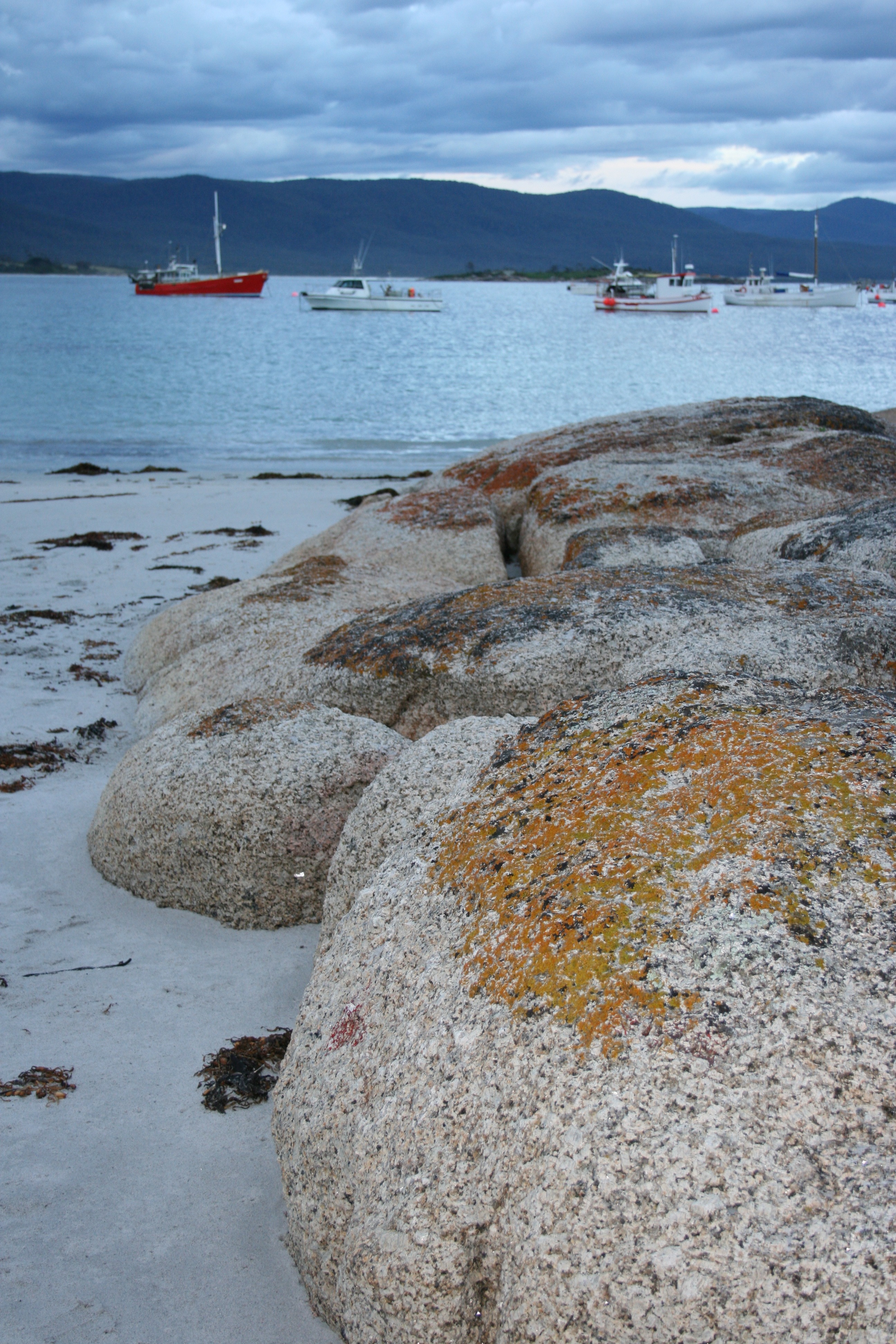
Bicheno at night
I’m currently without a studio, the University closes over the New Year and as I had to pack everything up it doesn’t seem worthwhile returning to the space. I like working without interruption. Also, my studio was in an open plan area, and as much as I support the idea of students and other people being able to wander in and see what you’re working on, in practice it’s a pain in the ass. I’ve applied for another studio space, hopefully that will come through early in the New Year. I think about the next batch of paintings nearly every day. Somedays they hover in my mind fully formed, absolutely clear, precisely detailed, a perfect road map to where I want to go; on other days the clarity is gone and I have flashes of vague imagery and nothing more. These are some of the ideas: a girl holding a bird (the Picasso of the girl with a Dove) standing on a rocky coastline, with a stormy sky, and perhaps a ship on the rocks or an oil slick in the background, titled The Last Bird; children in the costumes of early European explorers, braid waistcoasts, scarlet coats and muslin dresses; a model ship on wheels; a Tasmania Tiger; two children standing in front of a squat, colonial style church; a rain of blossom and wattle; pink ribbons and grey grey skys; (For the Term of his Natural Life) two children standing on a cliff holding hands; a child on a small theatre stage.

Bicheno at night
Perhaps because I haven’t had a lot of time in the studio lately, it was a mad rush to finish the book on time, I’m really looking forward to these paintings. If I can get them looking just the way I want them to, I think they’ll be ok. I want to retain the naivety, it’s how I see things anyway, but make the paint applications slicker and more naturalistic- the phrase Magic Realism springs to mind. I want the sincerity of the naive painters’ paint applications, every brush stroke an earnest attempt to tell the truth and honour the subject, however I want to avoid the clumpiness, guacheness or technical inaccuracy. They’re going to be heavily reliant on reference material, I’m still busily photographing anything I think may be useful, but the exciting point is always when you depart from this material: it’s a very definite, clear phase in the painting where it suddenly becomes yours.
 Helen Hopcroft: an artist's life