
Despite creative cycles being highly predictable, when you get dumped off the back of a particularly productive wave of creativity, it’s always something of a shock. On Wednesday night, pretty much three weeks after I wrote the first sentence, I finished my first draft of 1001 nights. At this stage it’s 24,000 words, though I expect this will change with editing, and was largely written between 7.30pm at night (Sophie’s bedtime) and 10pm (my bedtime). I’ve stopped calling it my story, and started calling it my novella, because it’s just too damned long.
I’m quite pleased to discover that I can write so much in such a short space of time. Optimistically, I’ve divided the average word count of a fiction novel (70,000) by my average nightly output (1150) and decided that I can write the first draft of my crime novel in 60 nights, or about two months. There’s something nice, clean and reassuring about reducing something as intangible as literary creation to a numerical output. Even though this target is based on flawed logic (a novel is substantially more complex than a novella) I think that if I treat this figure as an achievable outcome, I can get it done in this time.
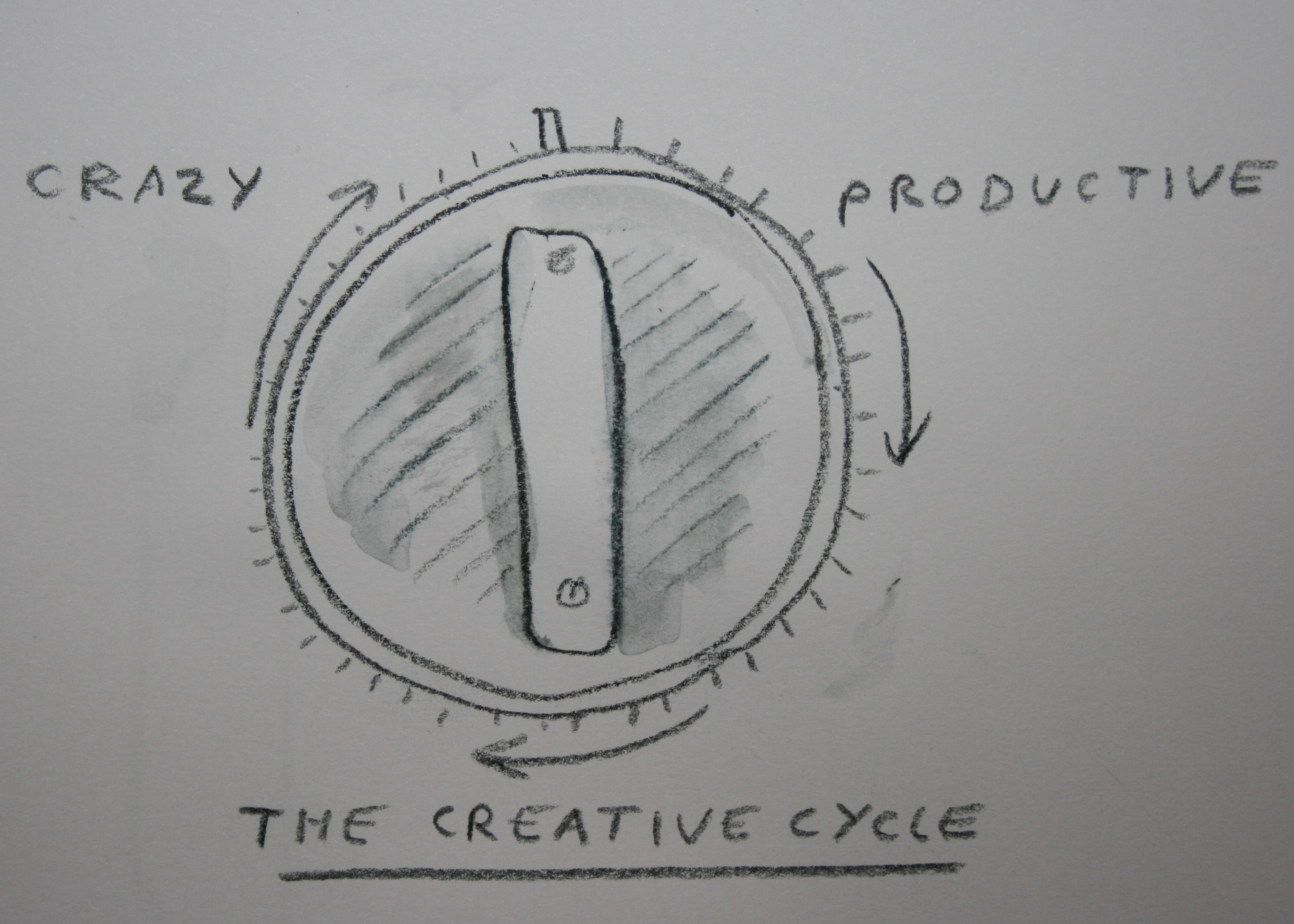
After I had finished writing 1001 nights, I lay on the bed like a dead starfish, feeling profoundly relieved. I was at peace with the world, neither looking forward or looking back, content in the moment. The next day I was tired. The following day I was bitchy and irritable. By the next day self-doubt had set in and I swung from believing that my manuscript was a potential international bestseller to the worst pile of crap anyone anywhere had ever written. And I wouldn’t shut up about it: even the most casual conversations ended up being about the novella.
Like any problem to do with balance, the best way forward is to do something constructive. So I sat down to re-read the manuscript, noted the parts that were working, congratulated myself on some neat technical issues that I hadn’t been conscious of while writing, and decided which bits needed a lot of work. Its full title is 1001 nights: being an erotic memoir, and private journal, of the virgin Scheherazade (A gripping tale of love, death, identity, transformation and metamorphosis). It’s written in a gonzo-Victorian, flowery style: lots of verbal trills, repetition of sounds in ascending sets of three, a bit breathless, faux naive and ‘oh my gosh Mrs Robinson’.
Interestingly later in the week I ran into a sculptor friend, MC, who over the previous couple of months has been working hard to try and meet an exhibition deadline, while balancing care of grandchildren, family issues and two part time jobs. She made the deadline, the three pieces are currently on show in a commercial gallery in Sydney, and I’m planning to go and see them next week. Having tracked the saga of making these sculptures, I feel invested in them, and will probably experience something like pride seeing them on a gallery plinth. All artists seem to struggle to find enough uninterrupted time in the studio, but I sometimes think it’s a miracle when female artists get anything done at all; as one Newcastle printmaker observed to me, ‘I’ve spent my whole life running around after other people’. Talking to MC about her work made me want to write about the human stories behind the making of an artwork: a kind of ‘how this thing very nearly didn’t exist’ angle.
Returning to the subject of my novella, which continues to dominate my waking mind and bore everyone else, I find myself reluctant to get stuck into the editing process. Like new love, there’s this lovely hiatus after you create something where you think it is just perfect. And editing, obviously, has nothing to do with this sweet afterglow: it’s all about analysis, distancing your own work, seeing it from a reader’s perspective, being decisive and acting with ruthless honesty.
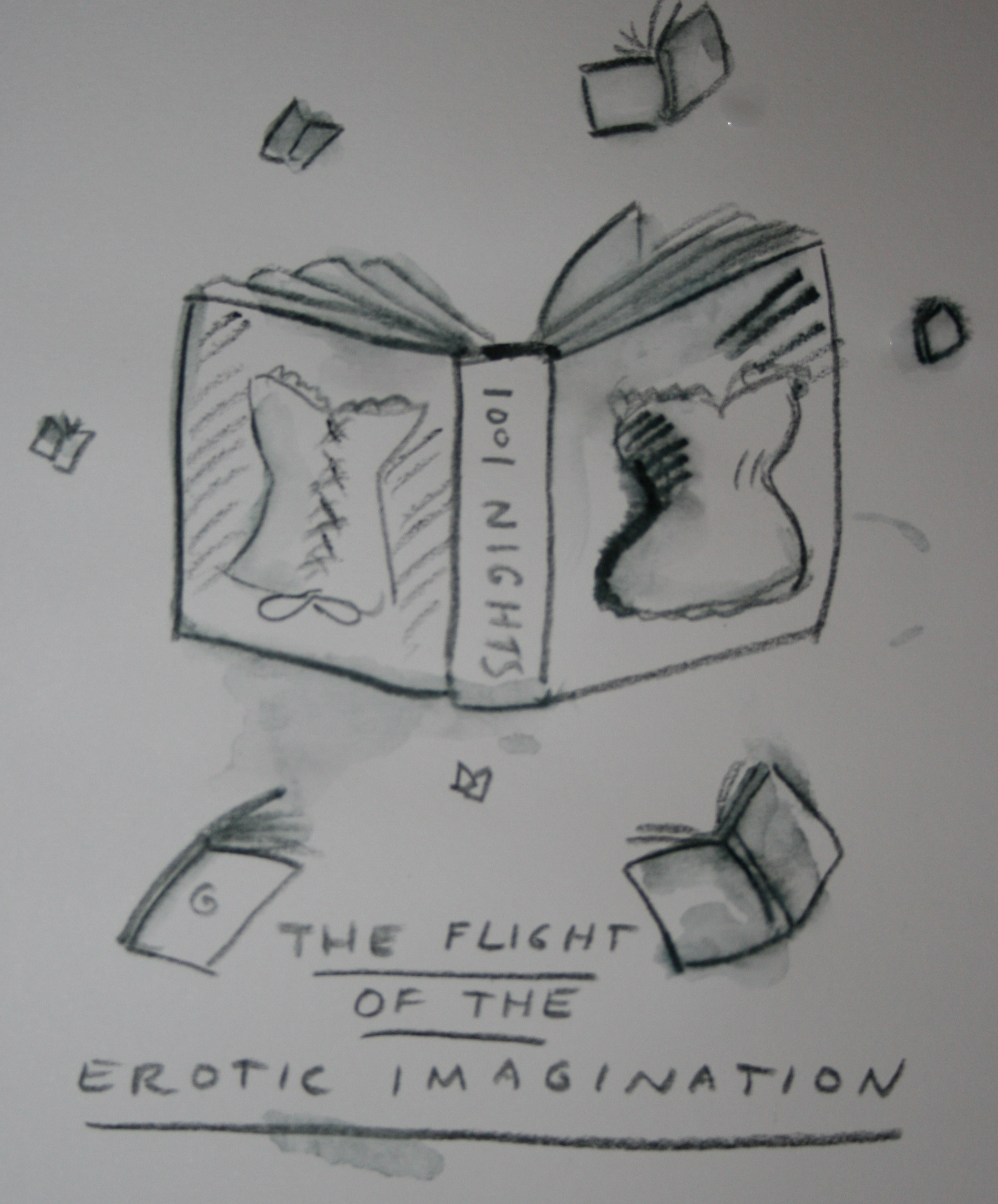
But the reluctance to return to the manuscript springs from other roots too. As much as I thought I was writing fiction, there’s this growing realisation that you’ve actually ripped your skin off and created something that is deeply autobiographical. Even though most of the novella is not literally true, everything in it has grown out of some kind of real world event; obviously this normal queasiness about revealing oneself is heightened by the erotic genre.
The good thing about the novella is that writing about sex has blown the doors of my imagination wide open. (I can’t begin to tell you how much fun it was! I’d recommend it to anyone with a literary bent who was feeling vaguely bored and out of whack with their body). I keep on having these really good, clear ideas for creative projects. Strangely enough, the process of describing physical sensations has stimulated the part of my mind that manages sound and language, unearthing a long denied passion for making music. I picked up Sophie’s ukele today and found that I could play it quite well and also knew how to tune it (I’m not a musician, not at all, so this familiarity was odd). Sophie got going on her toy drum and together we had a mini concert.
I’m now thinking that the perfect 40th birthday present for myself would be a beautiful steel strung acoustic guitar- I’ve always loved their smoky, mist in the valley to mountain-top, rootsy sound. I like the idea of being able to reduce a story to a song and then use sound to colour it. I think that if, when I was a kid, I’d thought about musical notes as different colours, everything would have made a lot more sense: the actual note names, middle C etc, were too abstract for me. Next career move- je suis un rock star!

Here’s a recipe for homemade chai. A guest from India was visiting this week and he made pots and pots of this lovely spicy stuff. As ginger is great for colds, and spices are supposed to be rich in antioxidants, it’s a great winter brew.
Chetan Thapar’s Chai
In a pot combine three cups of cold water, three and a half teaspoons of black tea leaves, a tablespoon of crushed fresh ginger, 6-7 cardamon pods (cut them open) and 2-4 teaspoons of sugar (or to taste). Bring to boil and let simmer until tea is infused. Add enough milk so that it becomes creamy around the edges of the pot. Strain and serve.
 Helen Hopcroft: an artist's life
[…] the power of ten) vague interest in my 1001 nights manuscript (I’ve blogged about it here and here). Of course, being your typical creative, I’ve already mentally cast the movie, spent the […]