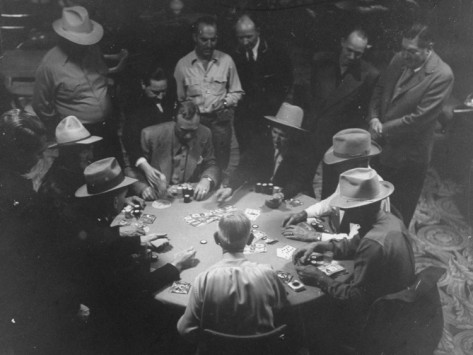
A few years ago, the saying ‘play the hand you’re dealt’ became popular. It popped up in cultish episodes of Stargate Universe, dropped from the mouth of champion sportspeople, and was generally bandied around. Suddenly it seemed that stoicism was fashionable. Now let me flashback to the long ago days of my Tasmanian childhood, when I used to play poker with my cousins, using matches as currency. Back in the day, the expression ‘bag o’nails’ meant that you ain’t got nothin’. Your hand failed to yield a pair, three of a kind, and was completely lacking in any kind of flush or run. While you might have had one or two good cards, perhaps an ace or a face card, together they didn’t fall into any kind of discernable pattern.
Similarly, my week has had some great cards, some stinking ones, and I’m yet to see the logic of it all. In the words of the great Kenny Rogers, I don’t know whether to hold ‘em or fold ‘em. This nostalgia for poker and playing one’s hand has triggered repeated bouts of singing The Gambler, which along with The Hurricane, is one of the few songs I know all the words to (sort of).
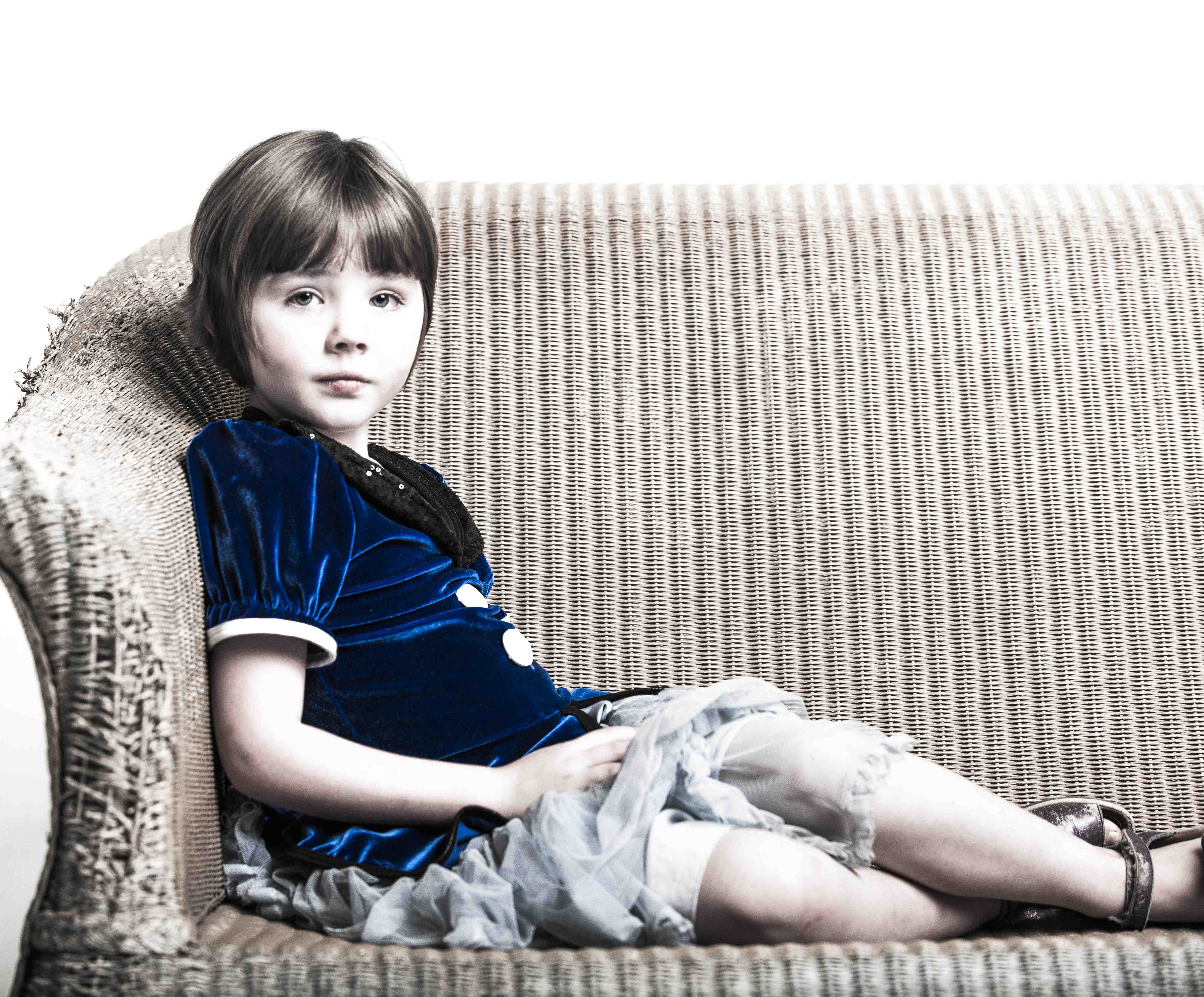
The ace in the pack was Sophie’s eye surgery, which went splendidly well. The poor kid puked a few times after the anaesthetic, but otherwise healed in record time, and her eyes are now working fine. Great stuff! During our stay, we found what is possibly Sydney’s best gelato store. I have to recommend the pannacotta with fig jam and ameretti: if you’re in the area, it’s ice cream worth committing armed robbery for.
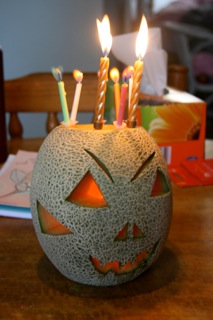
We came home from the hospital just in time for Halloween. In a last minute shopping expedition to our local supermarket, no pumpkins were to be found, so we brought home a melon and carved that instead. Strangely, the scale of the melon, very close to size and shape of a human skull, looked particularly creepy when cut. This was accentuated when we covered it with ‘day of the dead’ party candles and stuck it on a big white plate surrounded by chocolate frogs.
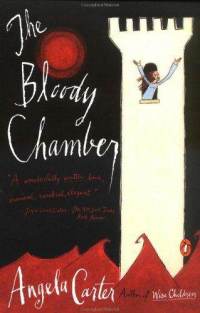
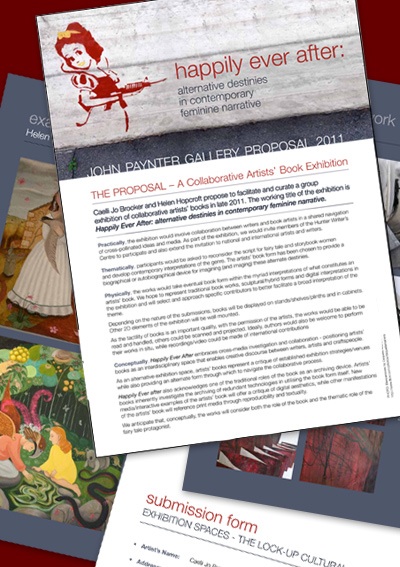
Halloween, being more of an American celebration, and the whole thing about adopted traditions, leads me to the next card in my pack. Regular readers of this blog will know that for the last few years I’ve been fascinated by fairy tales. This manifested itself in Happily Ever After, a cute little exhibition of artists’ books, organised by fellow artist Caelli Jo Brooker and myself, and more recently in my PhD topic. I’m writing about the relationship between women, animals and power in revisionist fairy tales.
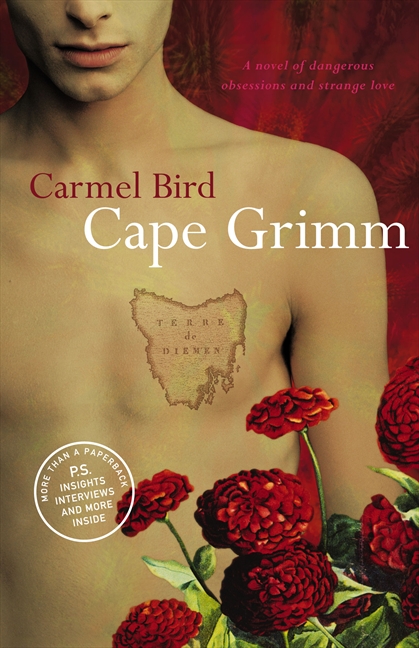
Happily Ever After brought together more than seventy artists, writers and bookbinders and asked them to work together to create new versions of traditional fairy tales, via the format of handmade books. And there were some crackers. Writer Danielle Wood partnered with illustrator Tony Flowers to invent a new version of the Japanese fairy tale Momataro, while a group of artists responded visually to passages from Carmel Bird’s book Cape Grimm.

As a result of this project, I got to know Carmel Bird via email, and she very kindly asked me to be part of a book project she was putting together. Carmel wanted to look at how European fairy tales had merged with Australian or Aboriginal storytelling traditions, and ask ‘Is there an Australian fairy tale tradition?’ In the end, because this is a fairly esoteric area, she was having difficulty getting a publisher, so I suggested that she take the idea to the Griffith Review, dubbed ‘Australia’s best literary journal’, and offer her services as a contributing editor. I’m pleased to say that the Griffith Review just published a fairy tale themed edition, with Carmel Bird as part of the editorial team. My essay, ‘Metafur: literary representations of animals’, is also part of the edition. I’m quietly proud of this, and thrilled that fairy tales, as a topic of popular and academic interest, seems to be growing in this country.
But while this was a nice card, I also got dealt a joker. For the last few weeks, during exercise, I’ve been getting this strange pins and needles feeling, mainly in my left leg. On Monday, during a cardio class, it spread and became more intense. After the class I started feeling quite peculiar. I thought it might be a blood sugar issue, as I’d only had a light breakfast, so I ate a museli bar and fruit, but this didn’t make a difference. Then I thought it might relate to circulation, so I had a hot shower: still no difference. After this, I resorted to a cup of tea and sitting on the sofa. Even this classic first aid strategy didn’t help.
By this stage, I was experiencing numbness in three patches on the left side of my body, and with even the remote possibility of an impending stroke scaring the crap out of me, I hot tailed it into the nearest Emergency Department. To cut a long story short, after numerous tests, they’re still not sure what went wrong, but I’ve been referred along to a nuerologist and for a brain catscan. I’ve always said my thinking is disordered, and now I’ll have the evidence to prove it! Predictably, at least two people have ripped me off about the perils of physical exercise.
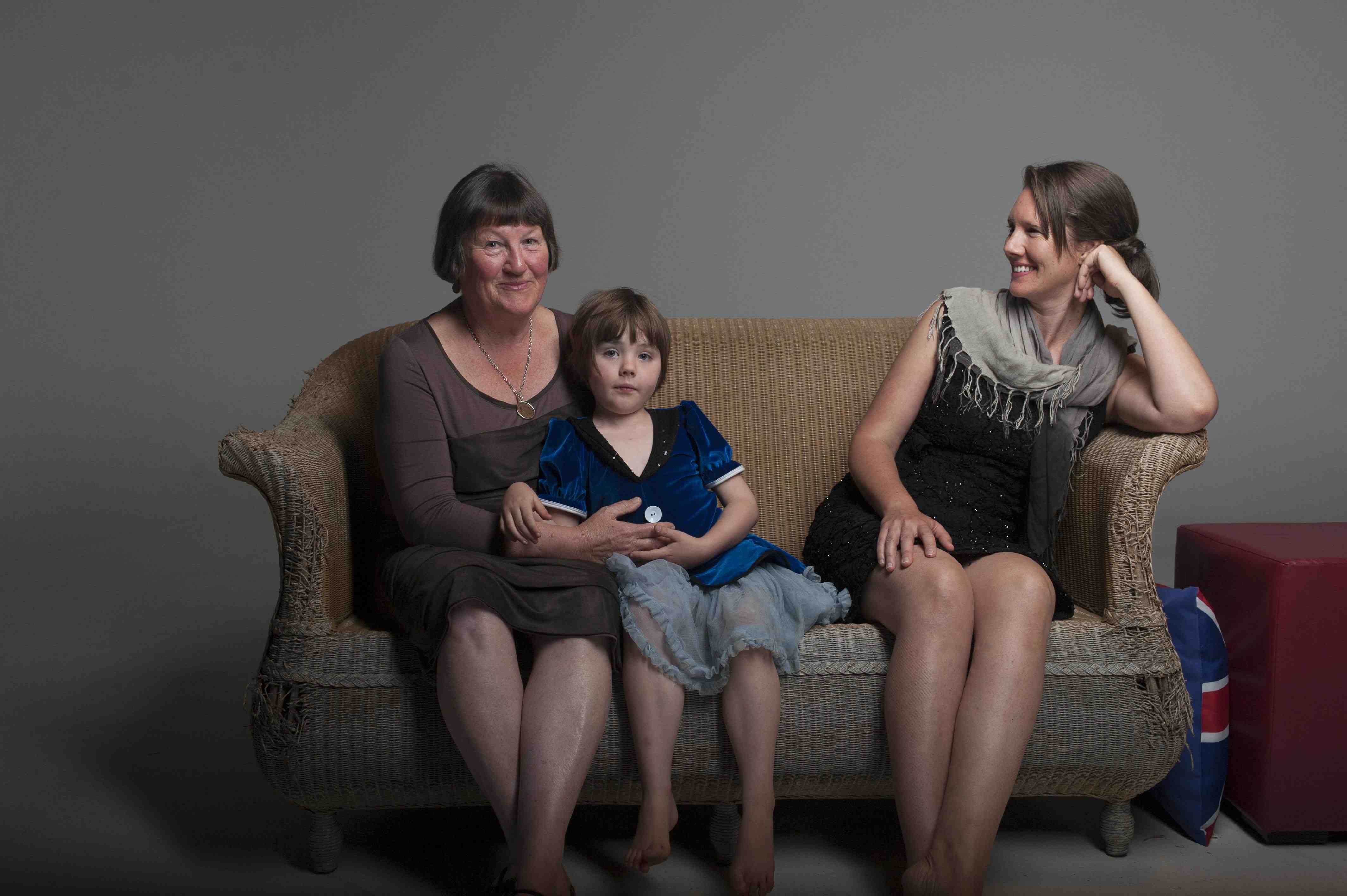
Image credit: the portrait photograph of Sophie, and the one of my mother, Sophie and I (above), are the fine work of Firebug Photography

 Helen Hopcroft: an artist's life


