An odd instance of life turning full circle, but lately I’ve been working as a set painter for an amateur theatre company. The last time I did this job I was about eighteen, so more than twenty years ago, and I find I’m enjoying it just as much this time around. I got into it in the first place thinking ‘well, I like painting on large canvases, so the theatre company is really just giving me free art materials’.
Unfortunately, like many young artists, my first professional gig as a set painter resulted in non payment and a fair bit of angst, so I decided to steer clear of theatre as a profession. I used to joke that ‘they’re actors, and so when they say that the cheque is in the post, you actually believe them…’
This time around, I’m working for Maitland Repetory Theatre, and like the rest of the cast and crew, it’s all voluntary. Maitland Rep works out of a lovely old church, next to the Maitland Regional Art Gallery, and has a dedicated following of young and old thespians.
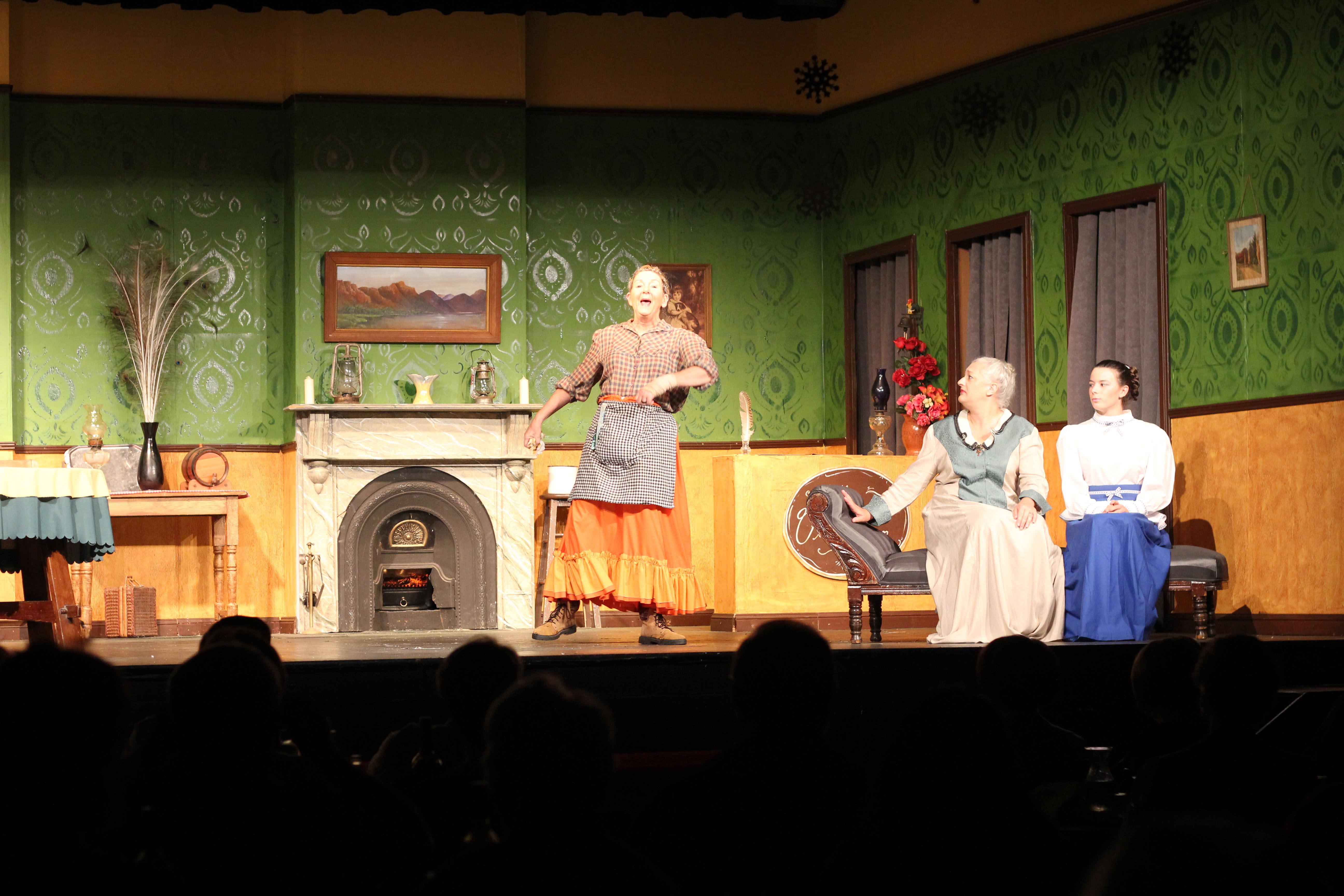
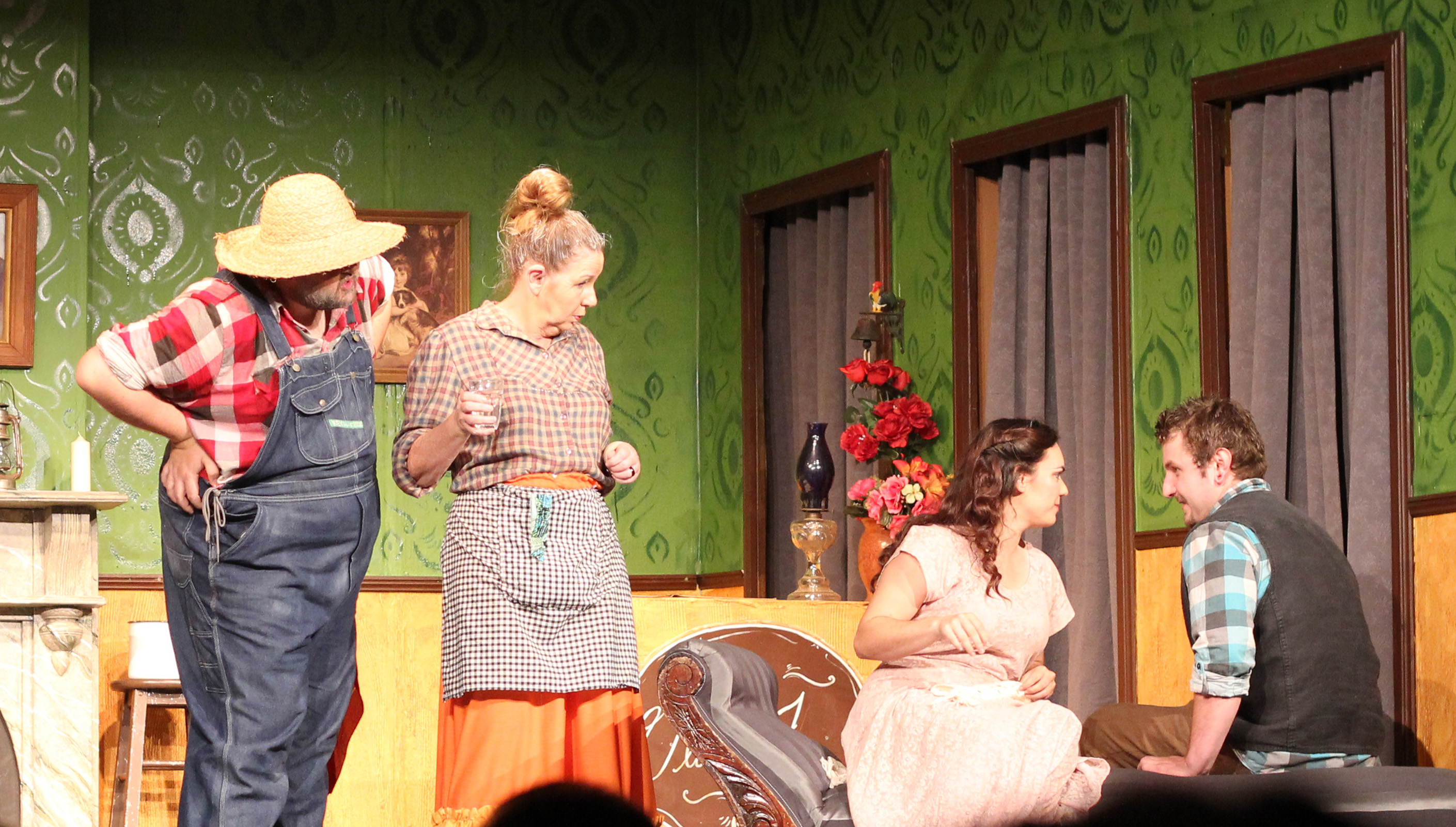
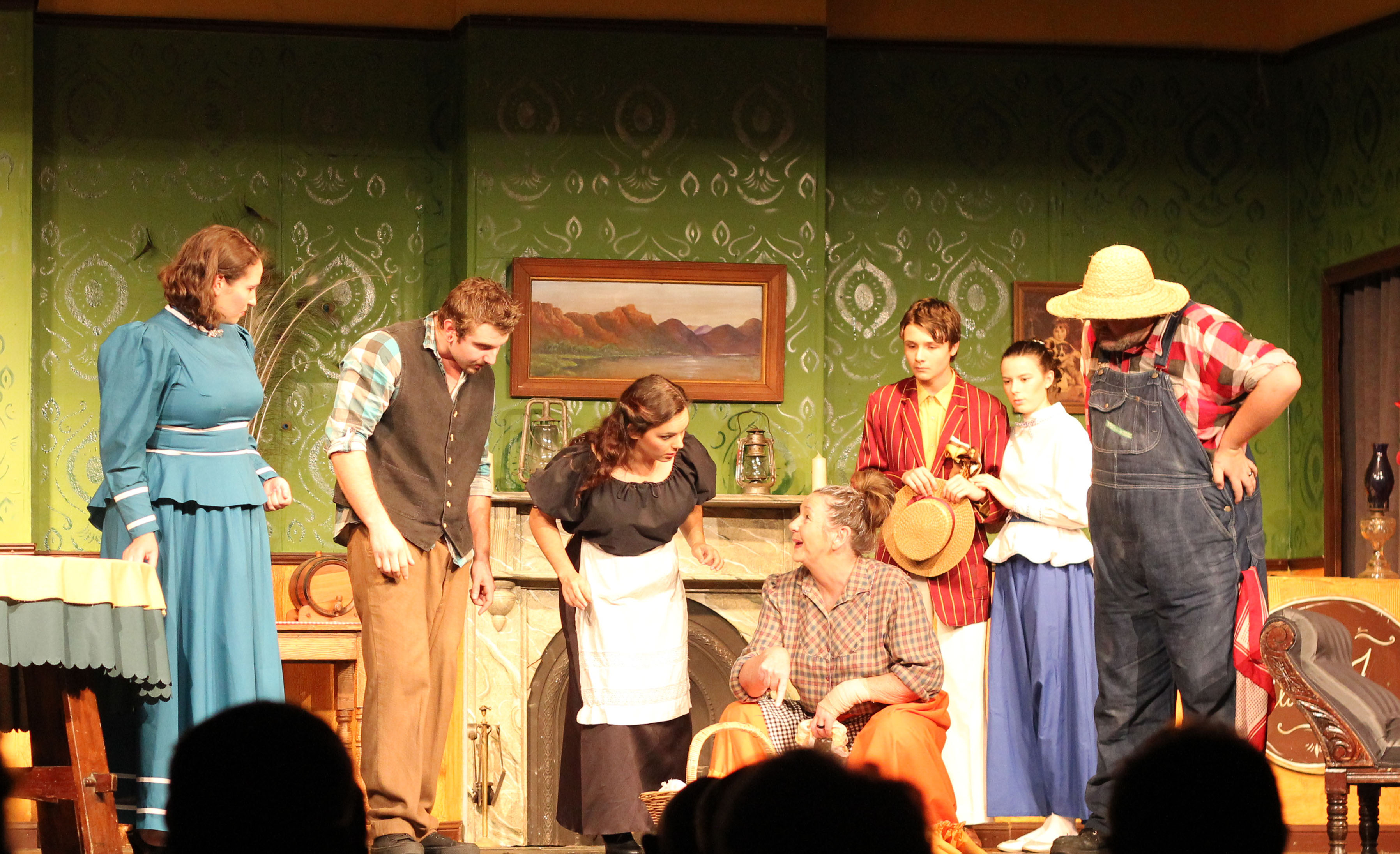
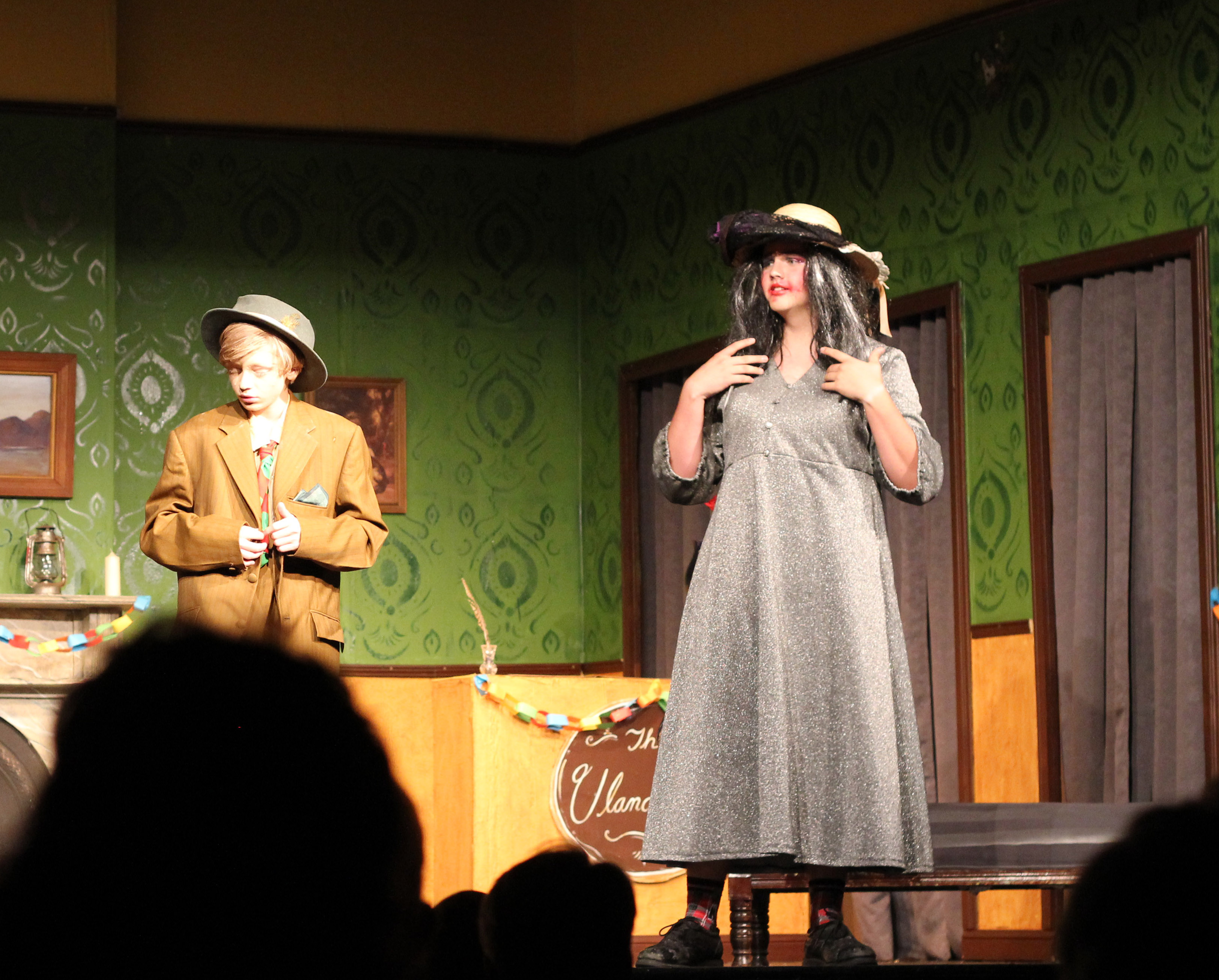
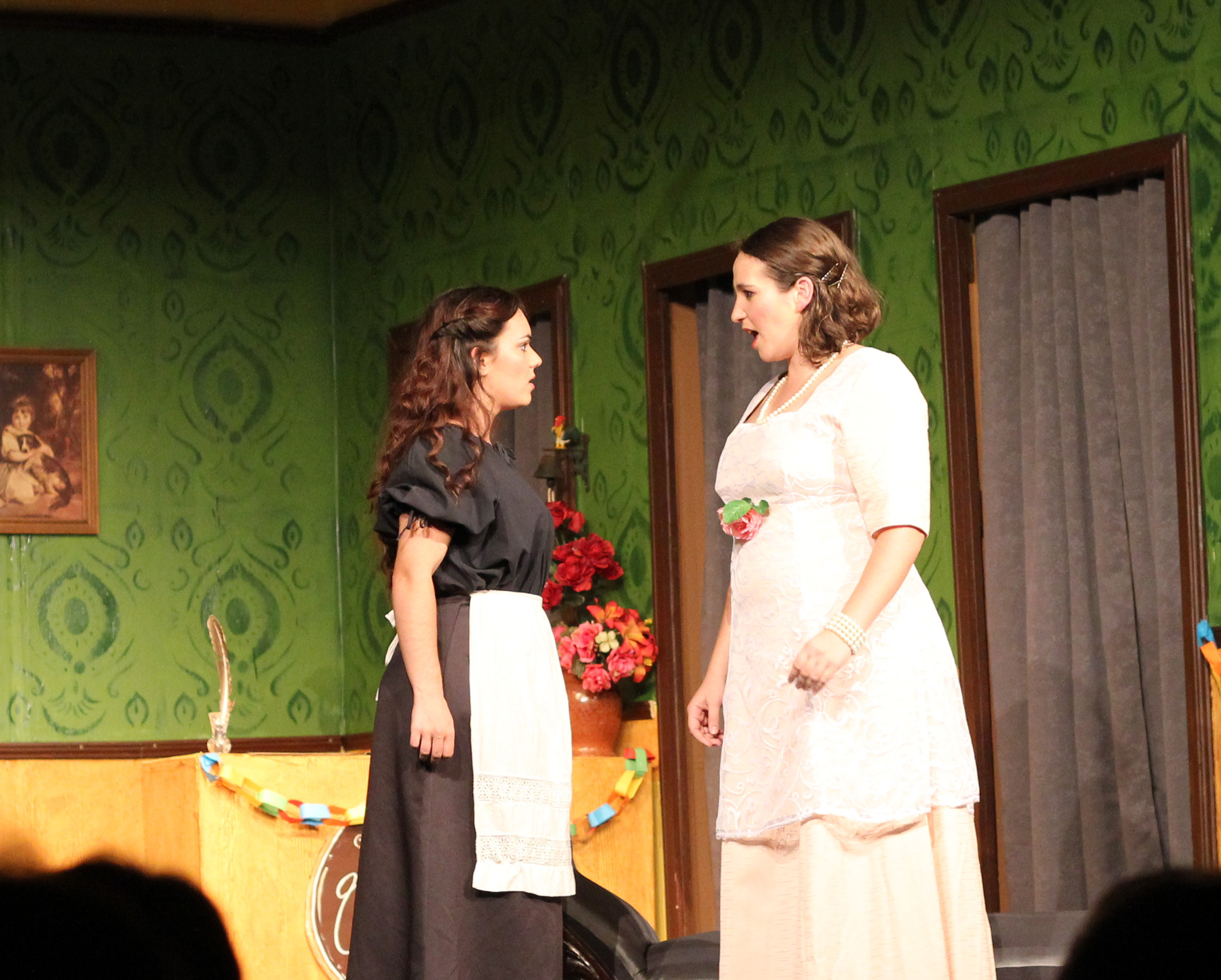
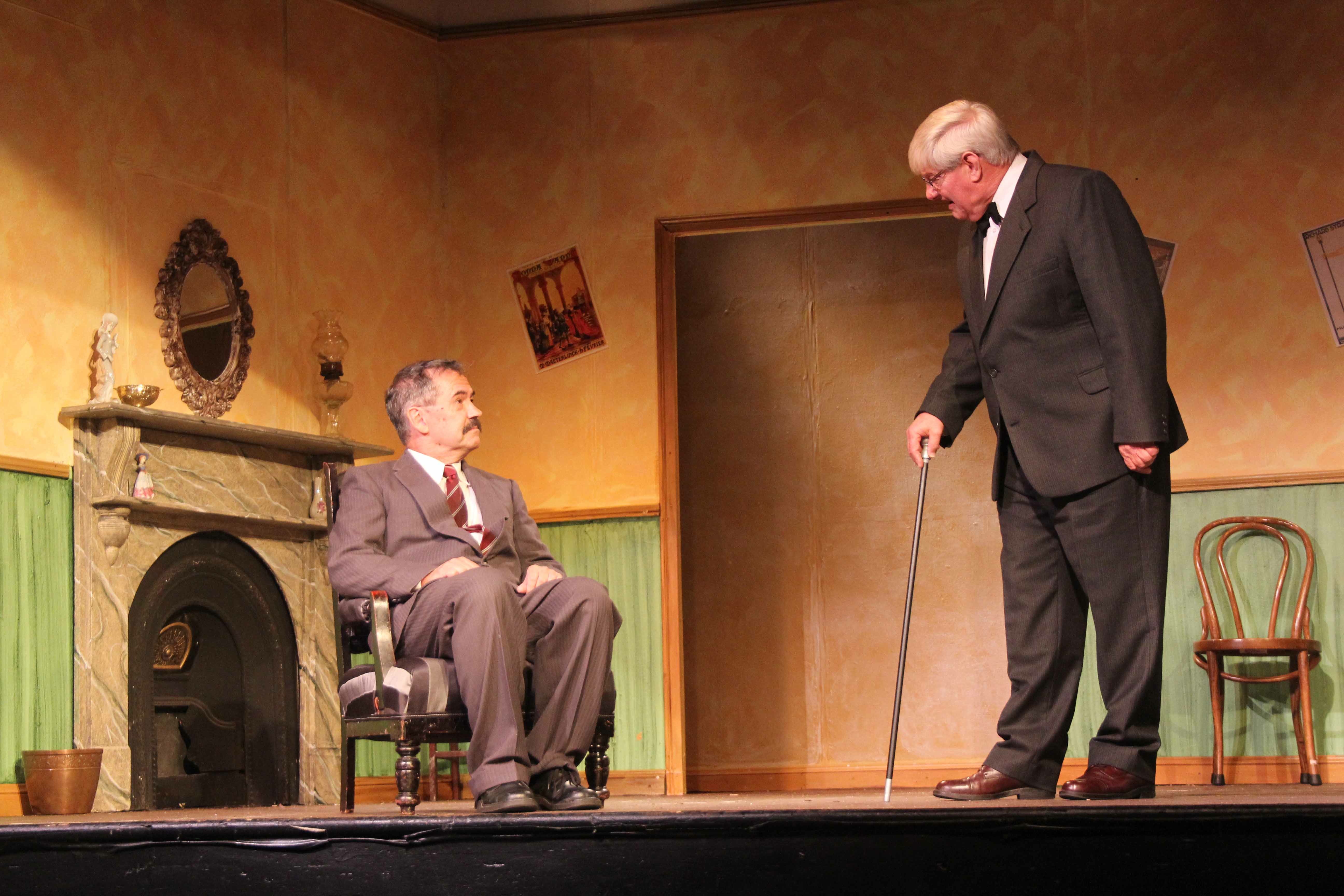
I’ve been painting a set for The Guardsman, written by Ferenc Molnar and directed by Frank Oakes, which opens on the 10th April. So far I’ve been responsible for a not particularly convincing marble fireplace set, some blotchy old plaster on the walls, and faux wooden panelling below the dado rail. In case you’re interested in paint effects, Floetrol is my current weapon of choice, handy for all those 80s classics such as bagging, dragging, marbling, stone finishes, sponging and even the incurably naff rag rolling.

Now if you’re old enough to remember the 80s, you’ll remember a time when a feature wall would have looked just like some poor unfortunate had run out of paint. Back in the day, interior designers never used to paint any surface without torturing it with some implement afterwards. So paint was scratched, distressed, sanded, waxed, imprinted with a variety of objects, or bulked up with various fillers so it acted like plaster. Why people insisted on making their belongings look old, I’ll never know, but there it is. And for a brief time in the mid 90s, I worked for a London construction company, doing this kind of work.
I recently decided, largely on the basis of a casual conversation in a paint shop, that 80s paint effects were about to stage a comeback. I’d been considering buying Porter’s French Wash, a nice product that effectively acts as a scumble glaze. (Scumble glaze is sticky stuff you mix with paint so that it becomes more transparent, and you can see the brushstrokes after the paint dries; it’s as the pistachio is to shortbread when it comes to paint effects). I asked the guy behind the counter if he sold much of it, and he said ‘nah, not as much as the rest of their range’. So on the basis of this overwhelming evidence, I’ve thrown myself into a paint effects revival.

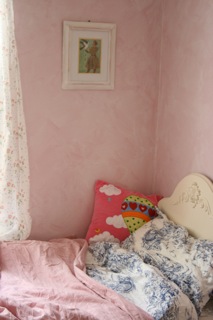
I figure that if I paint my house with these effects, by the time I get around to selling it, some years down the track, faux finishes will be a red hot trend. To this end, young Sophie has ended up with a pink blotchy bedroom (if it was a rash you’d definitely be off to the doctor) and I’m planning to attack the living room walls with a fetching shade of ochre.
Now if the ochre works, it will look like I am living in the pages of a giant foxed book, all creamy spotted and warm looking. Imagine a nice old pub ceiling, stained yellow brown with nicotine and water marks, and you’ve got the picture. However, there is always the risk that it will resemble some kind of giant animal burrow. Stay tuned….
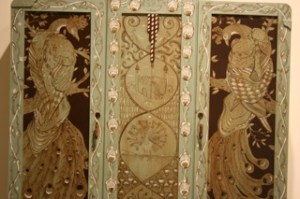
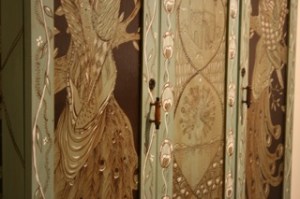
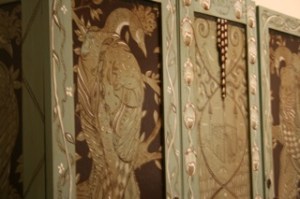
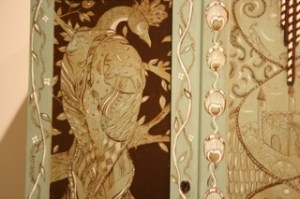
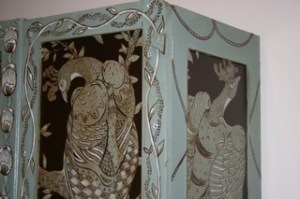
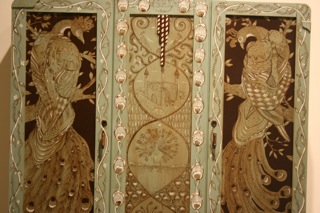
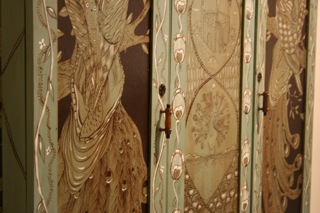
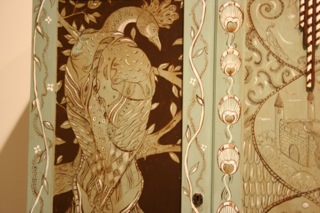
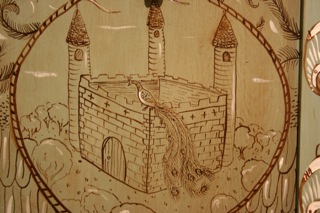
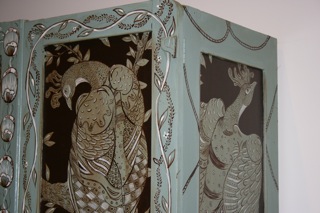
(Incidentally, I promised EH photos of the birdrobe, currently on show at MRAG as part of the Year of the Bird exhibition, and here they are. I must apologise for the quality of the images: flash on means wrong colour, flash off means low exposure and blurry shot. Either way, documenting my work is clearly a task I need to delegate).








 Helen Hopcroft: an artist's life