On Boxing Day 2004, as a vast tsunami drowned hundreds of thousands across the Pacific, I stopped eating animals. With my television screen flooded with images of dead bodies, meat suddenly started tasting like what it is: remains, a corpse, a lifeless thing. What began as an emotional reaction to some gory footage, and vast incomprehension of the loss of lives, turned into a ten year journey into vegetarianism.
I’d always loved meat. As a child I remember picking pieces of meat out of any dish, thinking it was the ‘good bit’, valuing a dish only by how much chicken or beef it contained. Pepperoni was my favourite snack and I adored bacon. During summer holidays, my cousins and I went fishing and we used to giggle at the crackly noise a knife makes as it goes through a flathead’s skull. As I got older, and after some stints working in restaurant kitchens, I learned to love my steaks ‘bleu’. A bit further on, and I was married and living in the country, happily necking excess roosters for my chicken casserole.
It’s ironic how we shield ourselves from unpleasant truths. I recall being about three years old, during an active language acquisition phase, and considering the word ‘chicken’. I’d picked up the idea that words could have more than one meaning, and I remember thinking that ‘chicken’ couldn’t possibly mean both the feathery animal and the thing I liked eating. ‘It must be some other chicken’, I said to myself.
As I aged, I was able to co-exist the ideas that (a) I loved animals and felt a strong bond with them and (b) I really liked eating bacon. Occasionally the tension between the two ideas would get too much, such as when I made a pea and ham soup that ended up looking like a cannibal’s cookpot, or the time the pork belly included a sad little sow’s nipple. At such times I’d revert to vegetarianism for a while, never really intending to make it part of my life, but feeling somewhat disgusted by the prospect of eating flesh.
After the tsunami, vegetarianism wasn’t ever really an effort, though I did continue to eat fish for a few years. This ended while visiting the Japanese Gardens at Gosford Art Gallery, when a large carp stuck its head out of the water, and looked directly at me to see if I was carrying the bag of fishfood they sell to tourists. The carp and I looked at each other for a few seconds. ‘Shit’ I thought, ‘there goes the seafood’.

A few years after that, I went from being a vaguely committed vegetarian to someone with a better understanding of the ecological and ethical implications of human dietary habits. They say that you are what you eat: it turns out that the world operates like this too. During a failed attempt to embrace capitalism (I was studying Law at UNSW) I enrolled in a postgraduate elective- ‘Animal Law’– taught by Geoffrey Bloom and offered for only the second time at UNSW, and in an Australian university. I’ve got to admit enrolling just because I liked the name, with no idea about the subject, but a dim inkling that it could have something to do with pit bulls.
As it was, the course transformed my thinking. Radicalised it, you could say. It was the first time that I’d encountered the work of animal ethicists such as Peter Singer and Tom Regan. I loved the stories about an American lawyer who made it his life’s work to rock up to SeaWorld and tell them that he was their orca’s lawyer, or the guy who saved many domestic dogs from death row by telling the judge that the animal was ‘a good dog having a bad day’. It was like flying into a cloud and then emerging on the other side to find that your aircraft was upside down. For the first time I was able to see humans as just part of the world, not as god like beings blindly teetering at the apex of power, with the incontrovertible right to control all other species. If you start thinking like that, you start looking at animal lives with an entirely new perspective. Factory farming becomes nothing more than institutionalized cruelty. I became a much better pet owner, simply by considering how my dogs may see the world, and what their priorities were.
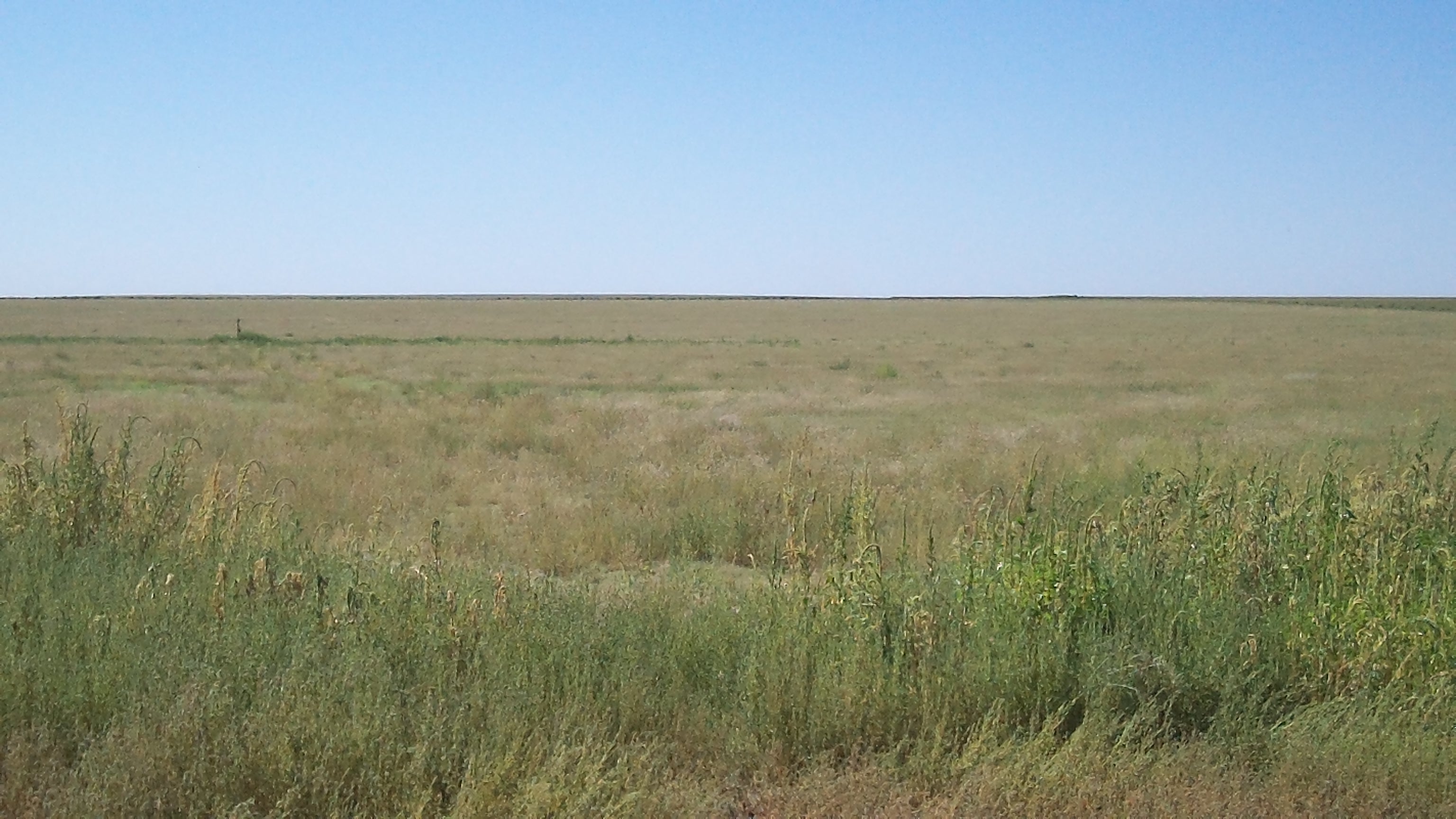
Vegetarianism survived my pregnancy, though I did eat some fish, and I remember being amused by the number of clearly unhealthy people who wanted to offer dietary advice. After Sophie was born, well a few months later actually, I raised her as a carnivore. This was something of a chore- voluntarily assumed- as it often meant cooking two meals at night instead of one. The diet survived marriage breakdown, relocation, job changes, travel, illness and divorce. However about six months ago I started eating meat again. It is interesting how fluid this decision was, and how little angst went into it: my body wanted this kind of protein, and suddenly animals tasted good. Physically, I felt a rich sense of wellness and an increase in energy and élan. To use a visual metaphor, it felt as if a vast, sunlit grassy plain had opened up inside me.
A philosophical shift accompanied this decision, and it will sound twee, but I’ll try to briefly explain it. I stopped eating animals because I became conscious that we had much more in common than I’d anticipated: evidence about animal sentience continues to grow, and I felt as if I was eating my siblings, or depriving an animal mother of her babies. Effectively, it was a decision driven by compassion but also by self abnegation. After a period of intense stress (aka divorce) I felt run down and as if I were at the bottom of a food chain. It seems as if I’d spent a lot of time considering other people’s interests but not my own. With my body falling to bits, I reversed my thinking around diet, partly as a way of rearranging my own worldview. It seemed to me that if I was sick, I could not take care of my child, and was putting another animal’s babies before my own.
Of course many vegetarians will rightly argue that a plant based diet is entirely capable of providing the human body with essential nutrition; and that I could have clawed my way back to wellness via tofu and black beans, not lamb shanks and burgers. I expect they’re right. I did have the occasional nightmare about driving a pig to hospital, with desperate emergency department nurses trying to save its severed leg, but apart from this very little psychic fall out. I’m now in the slightly odd position of understanding the consequences of my decisions- for an example, look at a PETA video of battery chicken farms- yet carrying on regardless. I know that a pig is more intelligent than a dog, and perhaps as aware as a three year old child, but I also enjoy eating bacon.
I would like to say that I consistently buy ethically farmed, free range meat: I don’t. I buy free range eggs, but as a single parent it stretches the family budget to always do the right thing. I’m also aware that it’s a luxury to even have this kind of choice.
Grass plain image sourced from http://www.garthsontour.com/2013/09/10/kansas-a-plains-state/
 Helen Hopcroft: an artist's life