Archives for category: Uncategorized

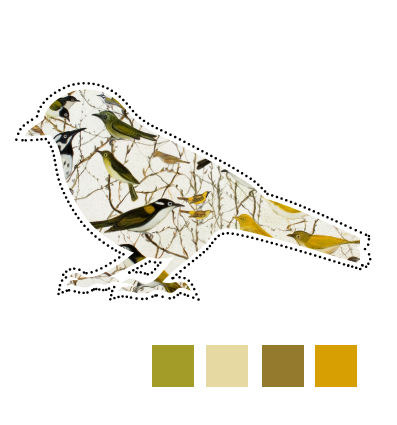
Image design by Caelli Jo Brooker, with bird artwork by Helen Wright

Just a quick post to invite Novocastrians along to ‘Birds with Bling’, a community art workshop I’m running at Fig Tree Community Garden (next to the Croatian Club) this Sunday.

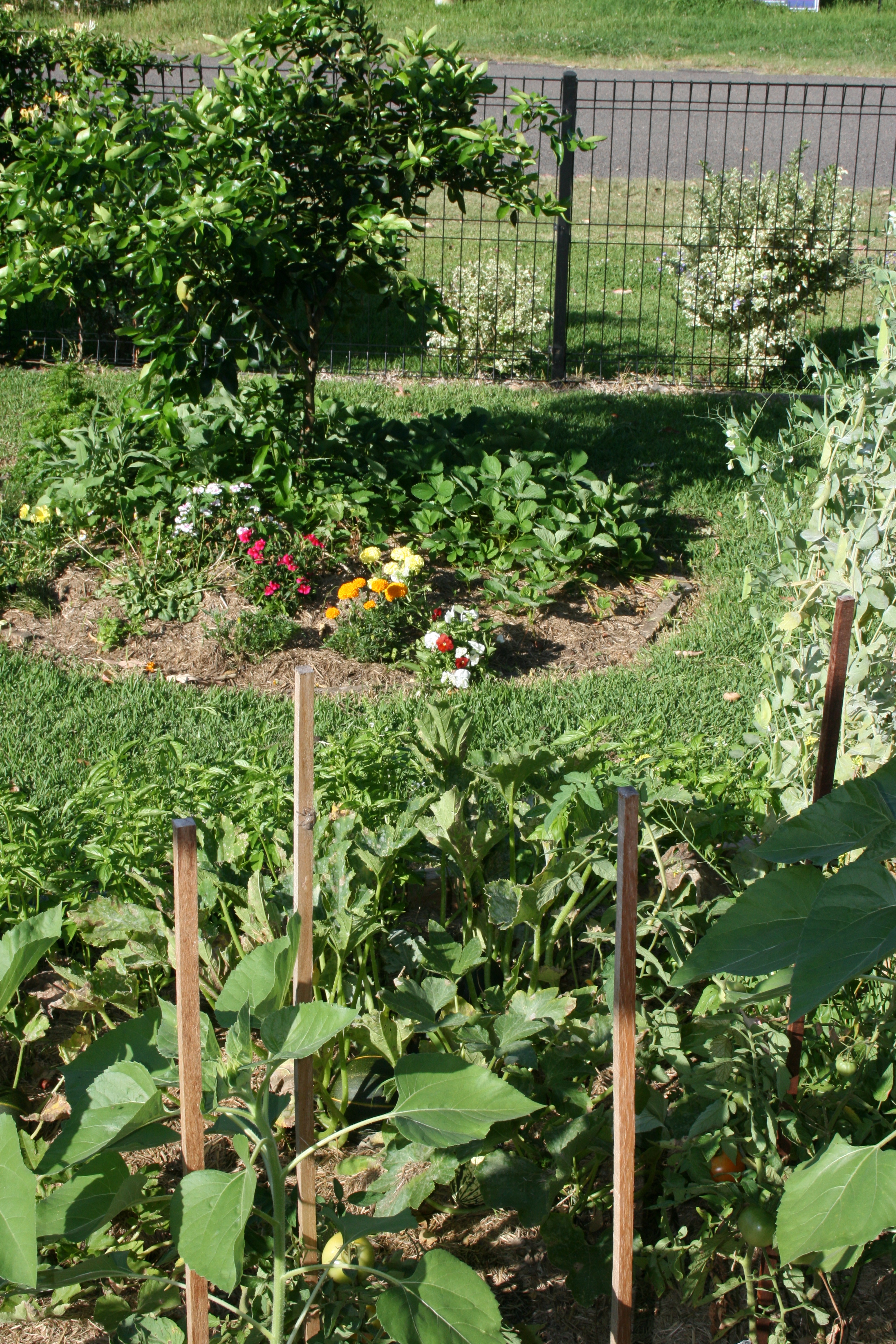
Come along to the Garden on Sunday 31st July at 10am for the monthly working bee plus a free community art workshop. The Birds with Bling workshop is for children and adults and involves making a nifty bird shaped decoration for your garden. Please wear old clothes as we’ll be using enamel paint. The workshop, and working bee, will be followed by one of Fig Tree’s famous wood fired pizza lunches.

Birds with Bling is part of Seed, a community project initiated to involve the local community in the planning of an upcoming Garden mural project. The mural, to be painted on the side of the Croatian Club, adjacent to the Figtree Garden, will have a Community Garden theme. People from the local community, or in fact anyone interested in organic gardening, art or community gardens, are invited to come along and discuss the question ‘what does Fig Tree Community Garden mean to you?’
Sunday’s workshop activities include painting decorative imagery onto wooden bird shaped cut outs; these shapes can then be attached to garden stakes, hung from trees or wired onto fences. This is a family friendly event, so feel free to bring your kids.

This workshop was made possible by a grant from Octapod’s Seedpod 2011 CCD Program. For more information, please email figtreegarden at gmail.com or have a look at Fig Tree’s website by clicking here

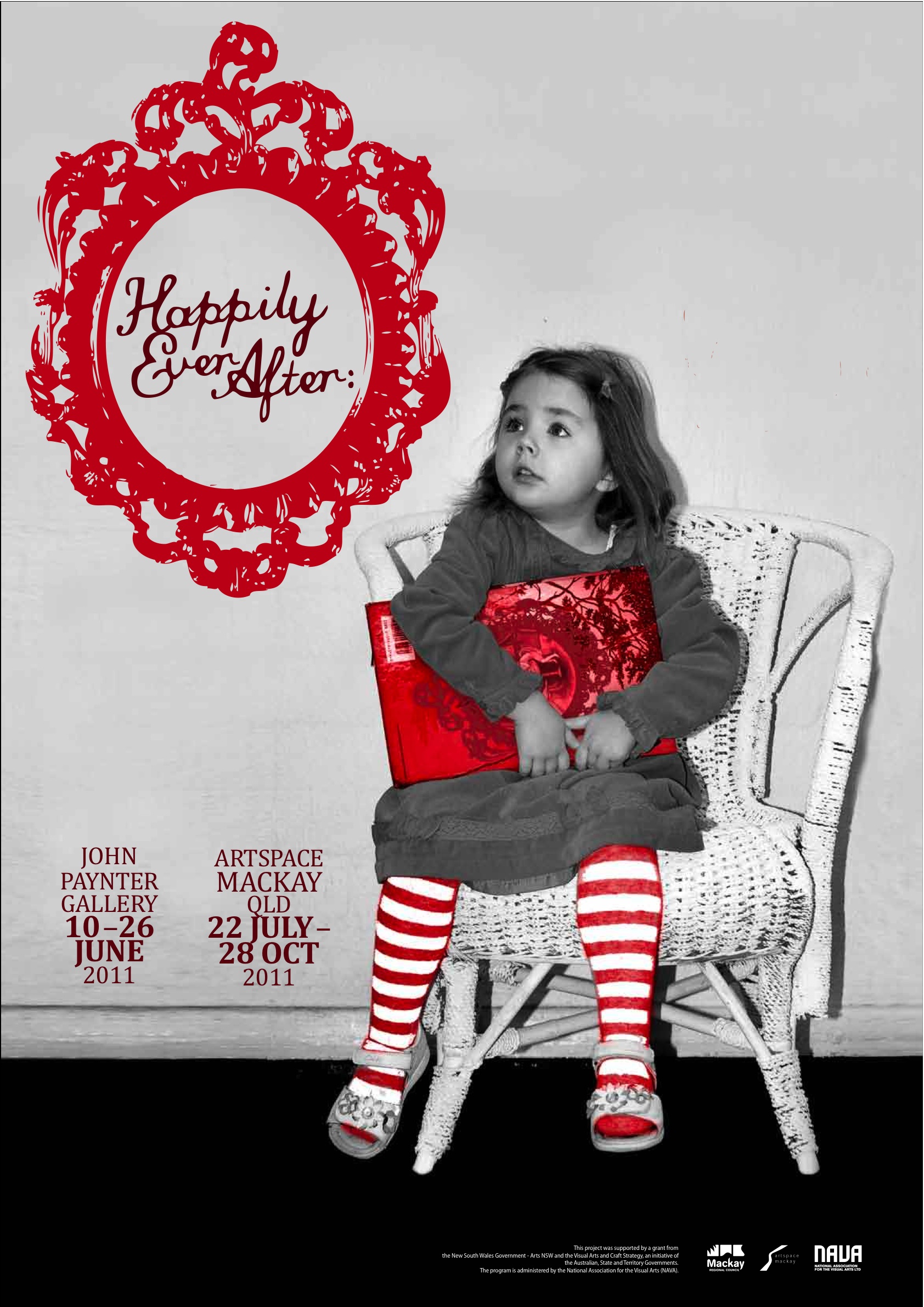
Happily Ever After exhibition poster

On the eve of my fortieth birthday, I thought I’d blog about my evolving set of life guidelines. I started compiling this list in an attempt to identify useful professional practices (always keep an up to date curriculum vitae on your desktop: that kind of sensible stuff) and it gradually morphed into snippets that were more to do with everyday crap (put the car keys in the same place in your handbag everyday). It ain’t rocket science, just a valiant attempt to keep the general complexities of life from swamping the good stuff. Here’s an edited version of some of the things that made it onto the list:

1. Don’t try and cook gourmet meals with a cranky toddler underfoot, especially on a daycare night. (Please note that I’m defining ‘gourmet’ loosely to mean ‘more than one pot’).

2. In any hard decision, the heart knows best.

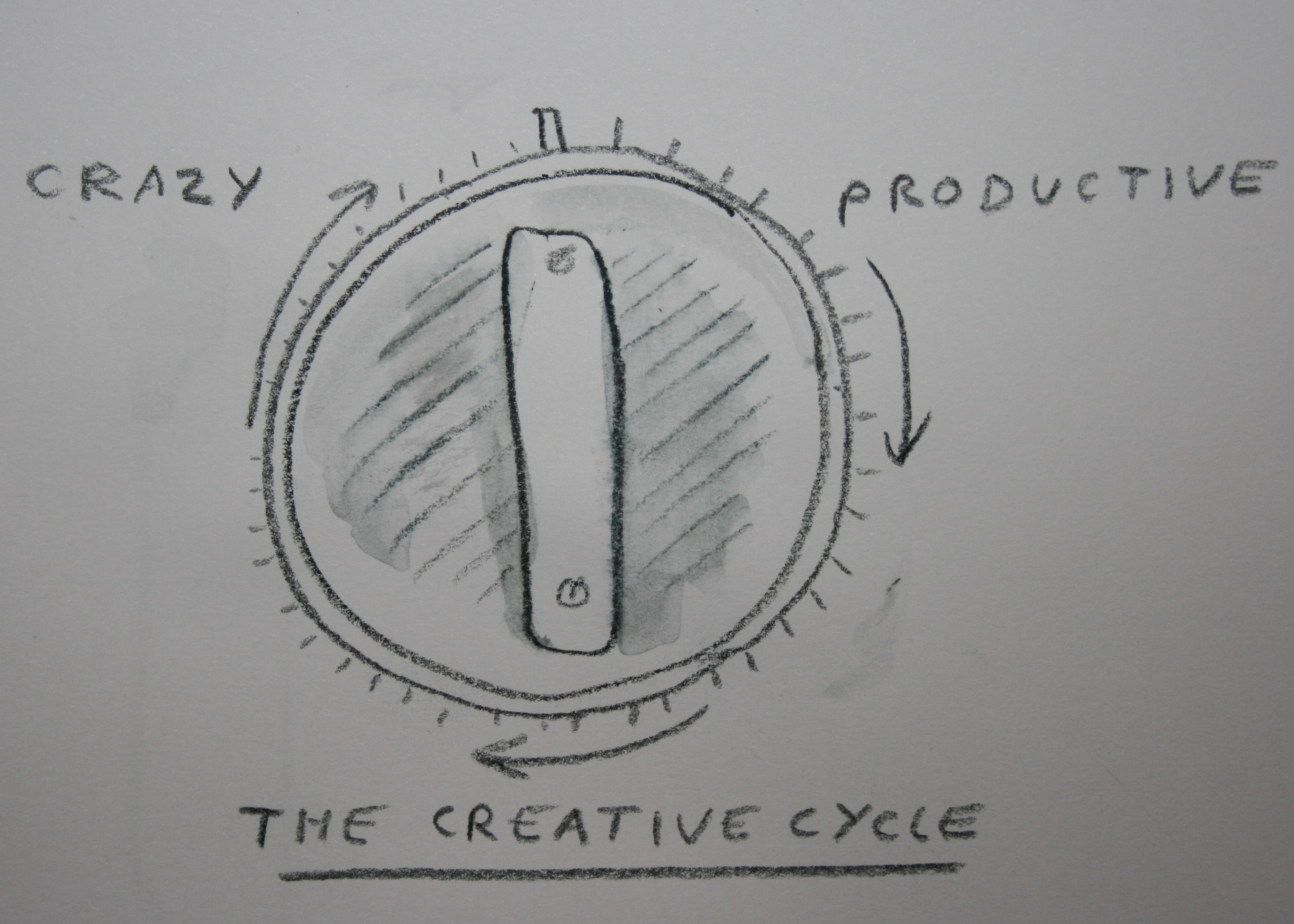
3. Being crazy in this business isn’t necessarily a bad thing. (I’m slowly giving up the attempt to appear normal).

4. On any given day, focus more on what you have done, not what remains to be done.

5. One for me, one for the world, one for my girl. (Which basically means that when I’m considering which job to do next, I ask myself ‘which job on this list is most likely to generate income?’ That’s my first job. I then balance this by doing a freebie/community based/organise other artists/sustainbility thing. And the next job is anything that relates to my daughter and her current or future life).

6. Write the subject, not your imagined view of the subject. (Something I learned while writing a series of biographies: it’s actually more interesting to start with fact and use it as the basis of a creative work, as opposed to something that starts and ends in pure fiction).

7. Give yourself permission to enjoy both art and writing. (A lingering idea that having a creative job, and loving what you do, is somehow wrong and something you need to apologise for).

8. ‘Land the first plane first’. (To be said in a twangy American accent: a second hand snippet I picked up from a time management/job prioritisation course attended by a colleague).

9. ‘If you think you can, you’re right; and if you think you can’t, you’re right’.

10. Any rule is just a guideline.

Despite creative cycles being highly predictable, when you get dumped off the back of a particularly productive wave of creativity, it’s always something of a shock. On Wednesday night, pretty much three weeks after I wrote the first sentence, I finished my first draft of 1001 nights. At this stage it’s 24,000 words, though I expect this will change with editing, and was largely written between 7.30pm at night (Sophie’s bedtime) and 10pm (my bedtime). I’ve stopped calling it my story, and started calling it my novella, because it’s just too damned long.

I’m quite pleased to discover that I can write so much in such a short space of time. Optimistically, I’ve divided the average word count of a fiction novel (70,000) by my average nightly output (1150) and decided that I can write the first draft of my crime novel in 60 nights, or about two months. There’s something nice, clean and reassuring about reducing something as intangible as literary creation to a numerical output. Even though this target is based on flawed logic (a novel is substantially more complex than a novella) I think that if I treat this figure as an achievable outcome, I can get it done in this time.

After I had finished writing 1001 nights, I lay on the bed like a dead starfish, feeling profoundly relieved. I was at peace with the world, neither looking forward or looking back, content in the moment. The next day I was tired. The following day I was bitchy and irritable. By the next day self-doubt had set in and I swung from believing that my manuscript was a potential international bestseller to the worst pile of crap anyone anywhere had ever written. And I wouldn’t shut up about it: even the most casual conversations ended up being about the novella.

Like any problem to do with balance, the best way forward is to do something constructive. So I sat down to re-read the manuscript, noted the parts that were working, congratulated myself on some neat technical issues that I hadn’t been conscious of while writing, and decided which bits needed a lot of work. Its full title is 1001 nights: being an erotic memoir, and private journal, of the virgin Scheherazade (A gripping tale of love, death, identity, transformation and metamorphosis). It’s written in a gonzo-Victorian, flowery style: lots of verbal trills, repetition of sounds in ascending sets of three, a bit breathless, faux naive and ‘oh my gosh Mrs Robinson’.

Interestingly later in the week I ran into a sculptor friend, MC, who over the previous couple of months has been working hard to try and meet an exhibition deadline, while balancing care of grandchildren, family issues and two part time jobs. She made the deadline, the three pieces are currently on show in a commercial gallery in Sydney, and I’m planning to go and see them next week. Having tracked the saga of making these sculptures, I feel invested in them, and will probably experience something like pride seeing them on a gallery plinth. All artists seem to struggle to find enough uninterrupted time in the studio, but I sometimes think it’s a miracle when female artists get anything done at all; as one Newcastle printmaker observed to me, ‘I’ve spent my whole life running around after other people’. Talking to MC about her work made me want to write about the human stories behind the making of an artwork: a kind of ‘how this thing very nearly didn’t exist’ angle.

Returning to the subject of my novella, which continues to dominate my waking mind and bore everyone else, I find myself reluctant to get stuck into the editing process. Like new love, there’s this lovely hiatus after you create something where you think it is just perfect. And editing, obviously, has nothing to do with this sweet afterglow: it’s all about analysis, distancing your own work, seeing it from a reader’s perspective, being decisive and acting with ruthless honesty.

But the reluctance to return to the manuscript springs from other roots too. As much as I thought I was writing fiction, there’s this growing realisation that you’ve actually ripped your skin off and created something that is deeply autobiographical. Even though most of the novella is not literally true, everything in it has grown out of some kind of real world event; obviously this normal queasiness about revealing oneself is heightened by the erotic genre.

The good thing about the novella is that writing about sex has blown the doors of my imagination wide open. (I can’t begin to tell you how much fun it was! I’d recommend it to anyone with a literary bent who was feeling vaguely bored and out of whack with their body). I keep on having these really good, clear ideas for creative projects. Strangely enough, the process of describing physical sensations has stimulated the part of my mind that manages sound and language, unearthing a long denied passion for making music. I picked up Sophie’s ukele today and found that I could play it quite well and also knew how to tune it (I’m not a musician, not at all, so this familiarity was odd). Sophie got going on her toy drum and together we had a mini concert.

I’m now thinking that the perfect 40th birthday present for myself would be a beautiful steel strung acoustic guitar- I’ve always loved their smoky, mist in the valley to mountain-top, rootsy sound. I like the idea of being able to reduce a story to a song and then use sound to colour it. I think that if, when I was a kid, I’d thought about musical notes as different colours, everything would have made a lot more sense: the actual note names, middle C etc, were too abstract for me. Next career move- je suis un rock star!

Here’s a recipe for homemade chai. A guest from India was visiting this week and he made pots and pots of this lovely spicy stuff. As ginger is great for colds, and spices are supposed to be rich in antioxidants, it’s a great winter brew.

Chetan Thapar’s Chai

In a pot combine three cups of cold water, three and a half teaspoons of black tea leaves, a tablespoon of crushed fresh ginger, 6-7 cardamon pods (cut them open) and 2-4 teaspoons of sugar (or to taste). Bring to boil and let simmer until tea is infused. Add enough milk so that it becomes creamy around the edges of the pot. Strain and serve.

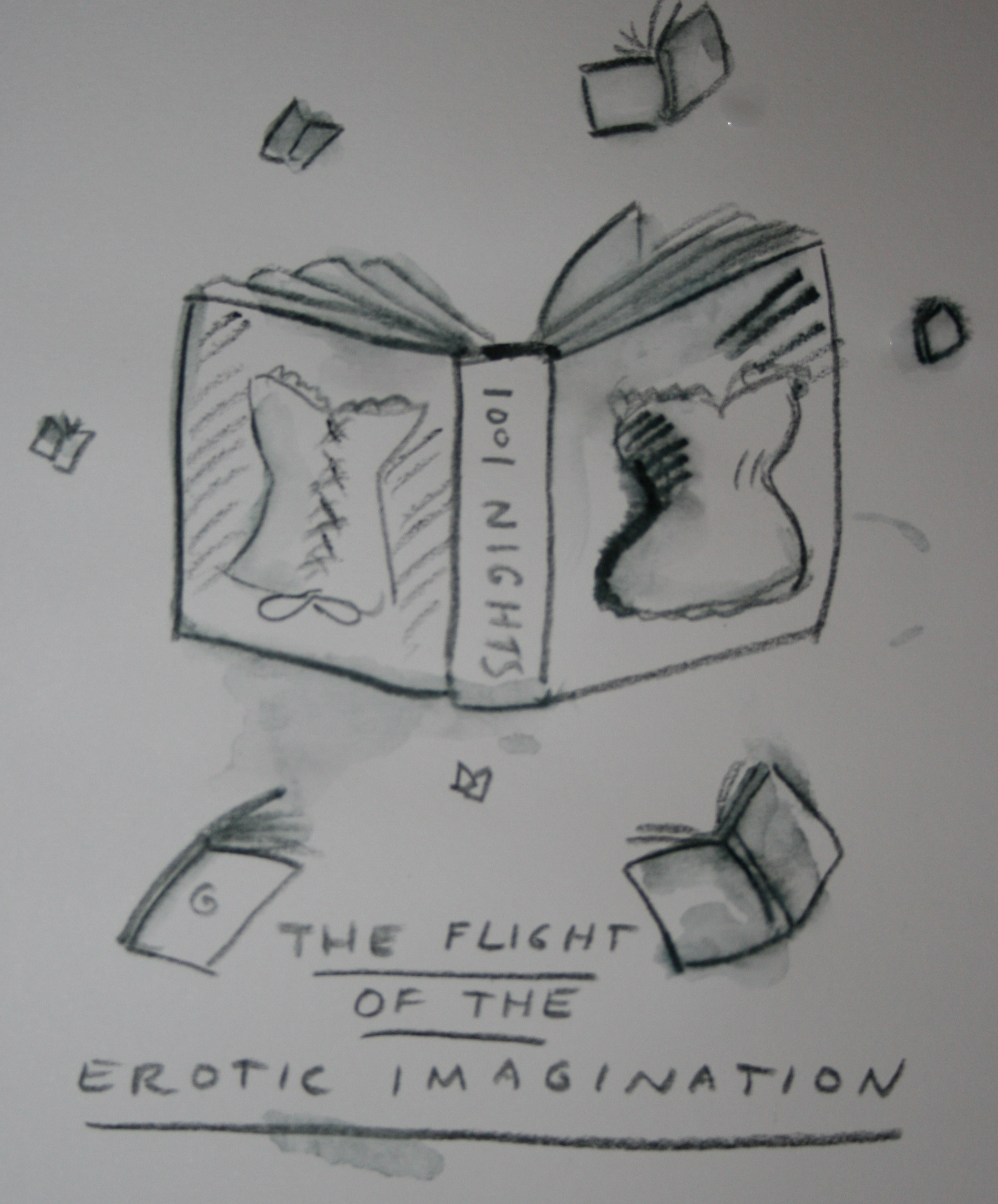
I woke up on Wednesday night at 3am, unable to sleep, and proceeded to write the introduction to the artist’s book, the project I’m working on with KRS, Caelli and Aunty Pam. KRS is doing the illustrations, Caelli is the designer and Aunty Pam the bookbinder. My story is a re-telling of the 1001 nights. Why I chose to link it to this famous tale is a story in itself. In a previous post, I mentioned keeping a private diary and its connection to a vague interest in someday writing erotic literature (probably inspired in part by Nikki Gemmell’s barn storming sequences in The Bride Stripped Bare, a lingering fascination for Lady Chatterley’s Lover and art student memories of The Story of O).

I knew that I wanted to use my diaries as reference material, and as I started keeping a diary when my marriage went (sound of plane crashing) perhaps link the Scheherazade narrative to a very modern tale of marital breakdown. I felt that 1001 nights would allow for a slightly fragmented, diary style narrative, written from the perspective of the female main character, with this constant atmosphere of anxiety pervading her stories and giving them intensity. I also liked the idea of people in times of stress taking refuge in fantasy, albeit in this case, erotic fantasy.

When I told her about using the Scheherazade character, KS made the excellent point that 1001 nights is art about art: the seductive powers of literature, the role of the author and their relationship with the reader etc. I liked these ideas too, and thought that they’d blend well with a slightly self-conscious, literary narrator.

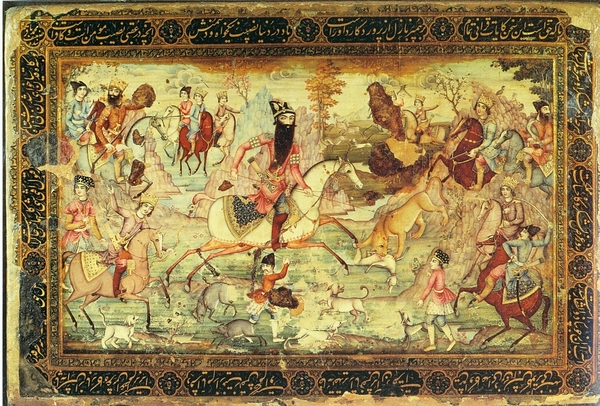
Anyway, it didn’t happen. Maybe because it’s all too close to home, or perhaps just because I knew it wouldn’t make good literature, I ended up abandoning that idea. Instead I decided to write a version of 1001 nights that retained the Scheherzade character and setting (a vague somewhere on the Arabian Peninsula a long time ago) but which foregrounded the erotic potential of the story. Which is not entirely without precedent: in the original tale, by the end of the 1001 nights of ‘story-telling’, Scheherazade and the Sultan had three sons, and some versions apparently contain erotica.

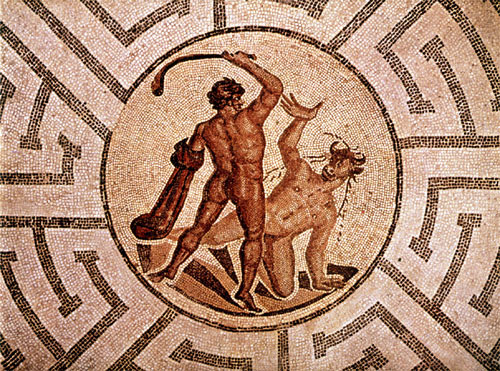
And it’s going ok (well, it’s going well actually, I just don’t want to jinx it). I’m at 10,000 words and I think that in the end it will be somewhere in the range of 15-20,000. Other than the general stuff you need to do to function and care for a kid, I’ve done very little this week except write. Like all pieces of writing, it only started to flow once I had the first sentence. I’m currently following the narrative as it unravels, like the myth of Ariadne’s lover, obsessively chasing her ball of red wool in the minotaur’s maze.

Sometimes, often when I’m driving or half asleep, I’ll think of the perfect sentence for a piece of writing. Then it’s a struggle to either find something to write with, memorise it, or just think bugger it, and go back to sleep. I’ve lost a lot of good stuff (or at least I remember it as being good: a bit like the fish that got away) by choosing to snooze. It was the middle of the night when the first sentence for 1001 nights arrived: ‘Soon the night will come, and to save my life, I must tell another story’. I sat up in bed, grabbed my trusty laptop, and wrote the first five pages. I was surprised at how easily the writing flowed in the middle of the night. I often think that writing when you’re half conscious is a good idea as it effectively suspends the critical mind.

The next morning, still dazed from my broken sleep, Sophie came rushing into my room to announce that she had wet her pull up: pool of urine on the floor, off comes the pull up. Then she dashed off to get some grapes out of the fridge, and brought them back into my bed for a snack and a cuddle. Being a kind toddler, she offered to share her grapes, and I politely took one. By the time I got up and was in the car, I was still in this half-crazed dream state.

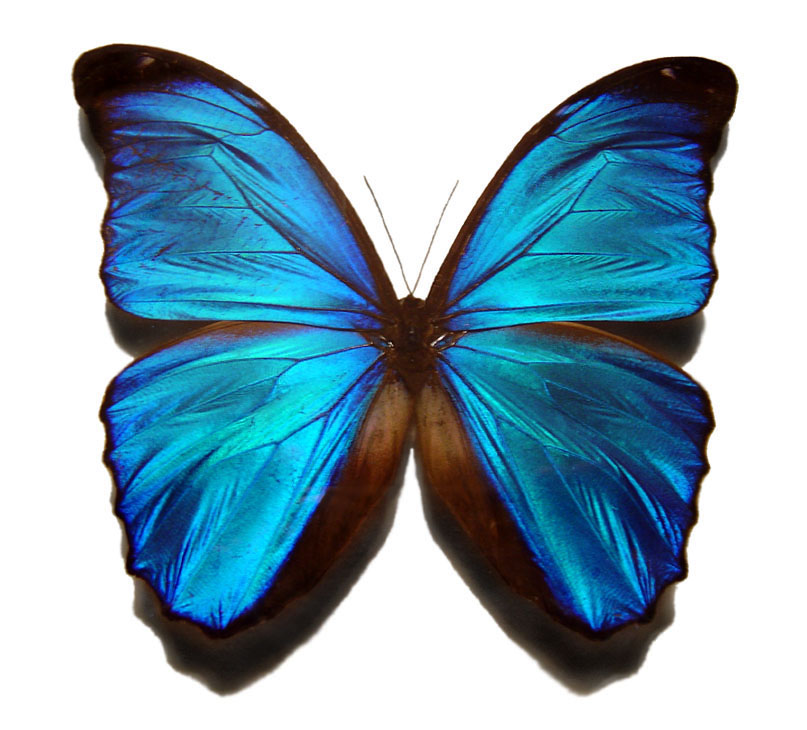
Twenty minutes later I was stuck in traffic, musing about the illustrations for 1001 nights: how many we needed, the etiquette of asking a friend to illustrate a book for you, whether I’d piss the friend off by being overly prescriptive with my suggestions for imagery, the sort of style that would work with the text. I was thinking about butterflies (yesterday Sophie was given her first butterfly net) and musing that as a metaphorical image, butterflies tied in nicely with ideas about female eroticism. Both species being difficult to define, hard to capture, glorious, uplifting, beauty destroyed by any attempt to preserve, exotic and fleeting. If I was being cynical, I’d say that they’re both something that animate life, but don’t stay around very long.

I was musing on the sad fact that women rarely trust their partners with the full extent of their erotic imagination, considering the reasons for, who responsible, strategies to negate, historical and cultural antecedents, impact of religious thinking upon, whether widespread phenomenon or fairly narrow, and if there was a great deal of difference in the degrees of erotic imagination amongst individuals (I mean, you’d expect there to be, but how can you tell?) Bang. Had to slam on the brakes as realized that I was about to rear end a four wheel drive with, wait for it, blue butterflies plastered across its spare wheel cover. Apologised to Sophie and made a mental note to email KRS with the butterfly suggestion.

Another funny little co-incidence: in the draft of 1001 nights, I’ve used a nightingale to signify a portal to another world. It marks the line between the everyday mind and the erotic imagination, conscious and unconscious. I’ve been daydreaming about how, once we’ve finished this book, I’d like to have it professionally published with a cover illustration by Del Kathryn Barton. Yes, I can dream. Anyway, I was flicking through a magazine in the hairdressers today, two things I rarely do, and I found an article about DKB. Apparantely she is busily illustrating Oscar Wilde’s fairytale The Nightingale and the Rose, with the book published later this year. Gosh! I almost dropped my cup of you-paid-too-much-for-this-haircut mule urine herbal tea that fashionable saloons feel compelled to serve, and which suckers like me feel compelled to drink.

It’s funny, and I know other people feel this too, but it’s amazing how much more life makes sense if you just do what you want to do and let things take their own shape. Versus doing what you think you should be doing. It’s the blessing of following some kind of instinctive guidance or understanding. Or perhaps just bloody mindedness paying dividends.

This week’s cute toddler moment: Sophie dragging her clickety clack wooden crocodile toy across the floor yelling, with Lleyton Hewitt style fervour, ‘C’mon!’

http://www.uq.edu.au/news/ index.html?article=18844

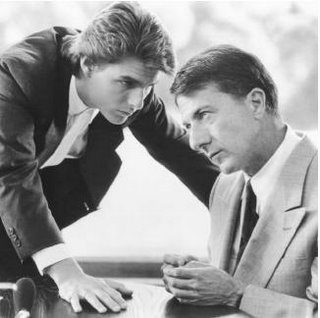
I’ve been thinking a lot about sustainability lately. The other day I left the car at home and caught the train into town with Sophie to do some shopping. For a toddler, a train is both exciting and frightening; her intense emotional reaction to an everyday experience changed it for me too. A bit like the scene in Rain Man, when the autistic Hoffman notes to the blinkered, urbane Cruise that the train is ‘shiny’. Cruise had not noticed, and he stops for a moment to consider, viewing the train with interest for the first time; it’s a small vignette of character transformation that tells you much about his changed inner life.

I suspect this is going to be a boring story, when people talk about their kids it often is, but bear with me. We arrive in town, walk to a second hand store where Sophie gets ‘new’ jeans and a nice pink top. Then head to the library to find that Sophie’s favourite Mr Chicken Goes to Paris book has been borrowed by another reader. We console ourselves with a Little Princess dvd. Then it’s off to the bank for cash, supermarket and back to Vinnies where I collect a massive iron candelabra that I’d left behind the counter earlier. By this time I’m carrying a heavy bag of shopping, a bag of second hand clothes, a candelabra, and dragging an increasingly fractious toddler by the hand.
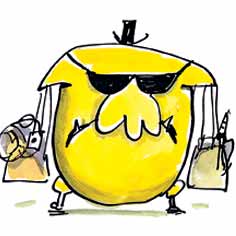
'Mr Chicken Goes to Paris' by Leigh Hobbs

We head towards the train station, miss our train by ten minutes, the conductor tells us the next one won’t go for another hour, and bitches at Sophie for walking in front of the yellow line. So we wander off to the nearest park, swing for a while, decamp to a café for milkshakes, and then stagger back to the station with all our stuff. Arriving home, Sophie goes to sleep without a peep and I luxuriate with a peaceful, sleeping child cup of tea. In all, a fairly simple shopping trip has taken about three hours.

When people talk about sustainability, and how it intersects with community, they often don’t articulate the human dimension. One of the reasons that church and community groups in my area have been so keen to embrace sustainability principles is they sense how closely related the two sets of ideas are.

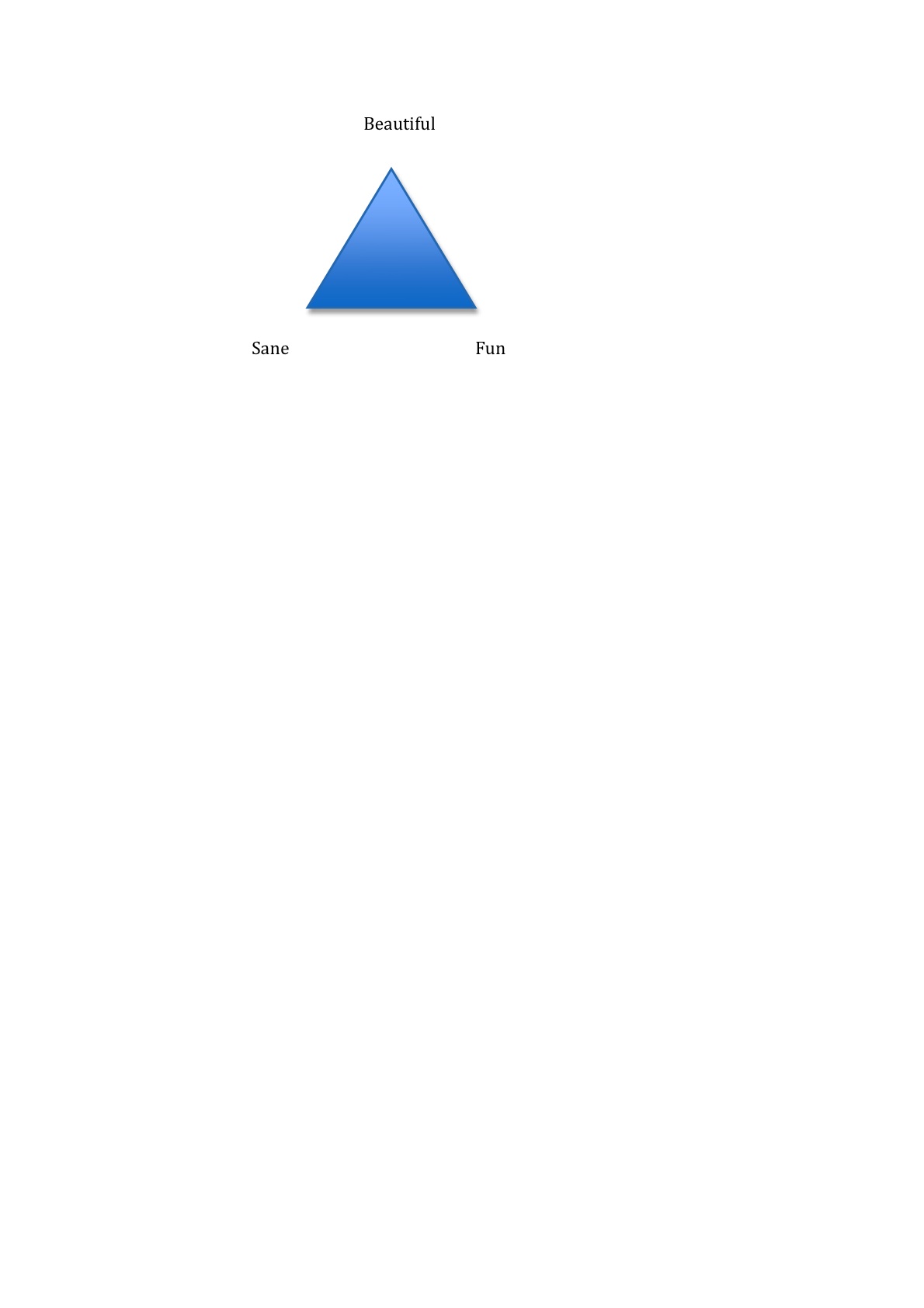
Here’s a diagram of the saving money/reducing resource use/building community relationships trifecta.

It works best with a concrete example: I take a train, saving me money, keeping one more car off the road. We’re walking, so I notice stuff about my town that I don’t normally see because I’m travelling too fast or looking for a place to park. We buy second hand stuff, which also saves me money, while supporting a local charity and reducing the resources used to make new stuff. While we’re in the store, we talk to the lady behind the counter (her daughter in law is about to have a baby, and the lady’s worried because both mother and baby will be Aries. ‘Constantly butting heads?’ I ask. ‘Exactly’ she responds).

Missing the train means that I go and explore the park next to the station, a place I’ve never been before. While Sophie’s happily balancing on the park’s sole concrete lion, I start mentally kicking around ideas about community art projects that would work well in the space. Finally, to fill in time before the train, it’s off to a locally owned café, thus keeping money in my community. Sophie gets a chocolate milkshake, I get to sit on my butt and watch her drink it, it’s a win-win for us both.

What really struck me about the day was that, mundane as it was, how much I enjoyed it. In many ways everything was a hassle, a lot less easy than just jumping in the car and popping into the shops; it’s really not fun to carry heavy bags while trying to keep your grip on a squirmy toddler. It also struck me that because it’s not normally something I would have done (I’d only left the car at home because Sophie’s car seat was unavailable) sustainable living is something that most people need to be pushed into. It makes things slower and more difficult. But I expect it also has the potential to make people happier.

Other than a lingering chest infection, it’s been a good week. The university accepted my proposal for some RTS funding which means that I can go to the Australian Animal Studies Group conference in in July. One of the keynote speakers is Nigel Rothfels, a key thinker in the area of my PhD topic (The human animal: the evolving role(s) of the animal in contemporary art) so I’m looking forward to that.

I flipped into media tart overdrive earlier in the week during a spruiking drive for Caelli Jo Booker and my upcoming exhibition of artists’ books at the John Paynter Gallery, Newcastle, in June. Titled Happily Ever After: alternative destinies in contemporary feminine narrative (see, there, I’m doing it again) the exhibition brings together teams of artists and writers and invites them to re-tell fairy tales in a contemporary manner. We’re really excited because we’ve just confirmed that Tasmanian novelist Danielle Wood, winner of the Australian/Vogel Literary Prize, will be working with illustrator Tony Flowers to create a book. I can’t wait to see it!
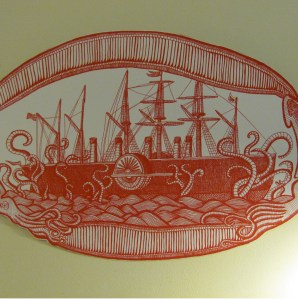
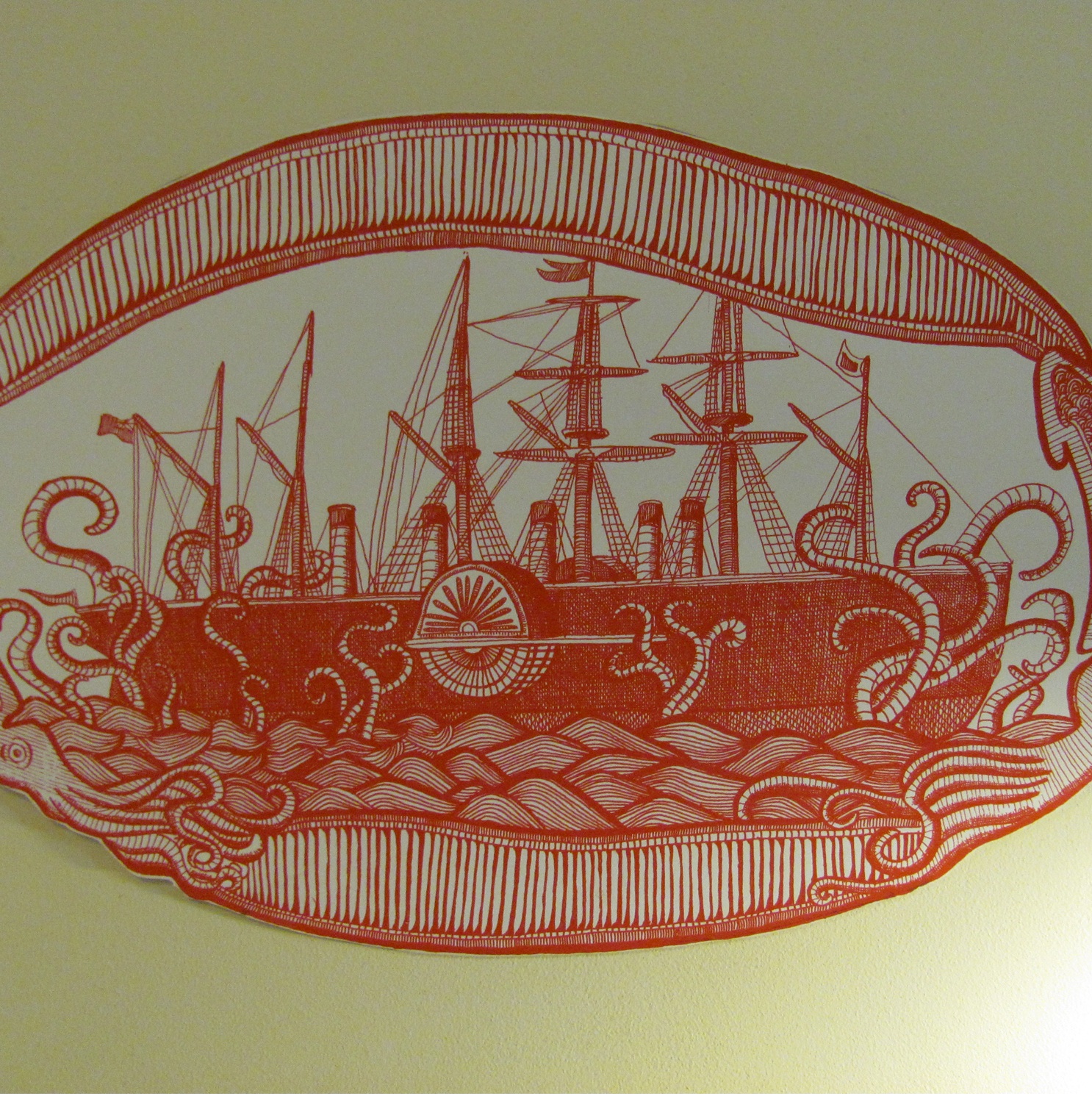
David Hampton's 'SS Great Eastern'

For the exhibition, I’ve written a short story that will be illustrated by Newcastle’s David Hampton and made into a book by my Aunty Pam. The story, Whalesong, is based on last year’s Ady Gil incident, where a New Zealand protest vessel and a Japanese whaler collided in Antarctic waters. It’s a kind of homage to Moby Dick, one of my formative texts, a book that still fills me with desire. My story is written in the first person from the whale’s perspective. I’m currently playing with this idea of writing the animal voice, trying to avoid the common slide into sentimentality or romanticism by making my main character a bit obnoxious and a little histrionic.
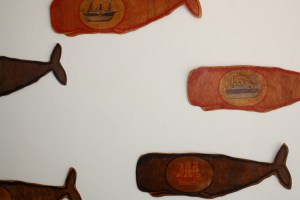
Another image by David Hampton

An odd coincidence: after I’d emailed the story draft through to David, he responded to say that he’d just finished watching a documentary account of the sinking of the whaling vessel Essex, the true story that inspired Moby Dick. A couple of days later I was in the country village of Wollombi, browsing in a small, second hand store, and picked up a novel with a picture of whale flukes on the cover. It was In the Heart of the Sea, an account of the Essex tragedy by Nathaniel Philbrick. I brought it because it had a pretty cover and a positive blurb by Annie Proulx, author of The Shipping News, on the back.

(A brief digression:  if you’re up that way, Café Wollombi does really nice food. Imagine the worst roast vegetable focaccia you’ve ever had: a few miserable pieces of eggplant, a scrape of rancid pesto, bread as stiff as stale cardboard, an anemically thin slice of grilled fetta, the alleged vegetables as brown and slimy as compost. You probably paid $7.50 for the thing, $10 at the airport, and when it was plonked down in front of you, the person rushed off in case you yelled at them. Later, you hear them yelling at the chef. Add bad air conditioning, a greasy napkin, plastic wrap and the sound of traffic and you’ve got your average vegie focaccia. As a vegetarian, I’ve chomped my way through many such travesties.

In Wollombi, you sit out on wooden verandah, the sun on your back, watching birds scoot past and a line of ants tackling the Everest of your chair leg. A trendy, funny girl with knee socks takes your order and returns with food in an admirably short time. Big fat foccacia, stuffed with roast vegetables and annoited with pesto so fresh that it hasn’t had time to oxidise. Why would you go anywhere else?)

Although I’m only a bit of the way through, In the Heart of the Sea is proving to be a fascinating read. Philbrick talks about the island of Nantucket: the way the society came to embrace Quakerism, what this meant to the island’s culture, economy and financial management. There’s a few scurrilous historical anecdotes about the Nantucket women, rumoured to be addicted to a morning dose of opium and marital aids, ‘he’s at home’ being the polite euphamism for the plaster cast dildos of the era. As the whaling industry expanded across the globe, Nantucket husbands were often away at sea for years, home for a few months, then gone again.
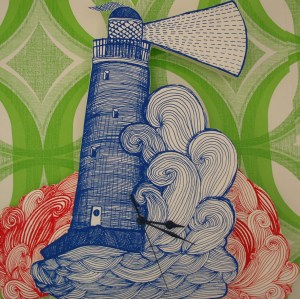
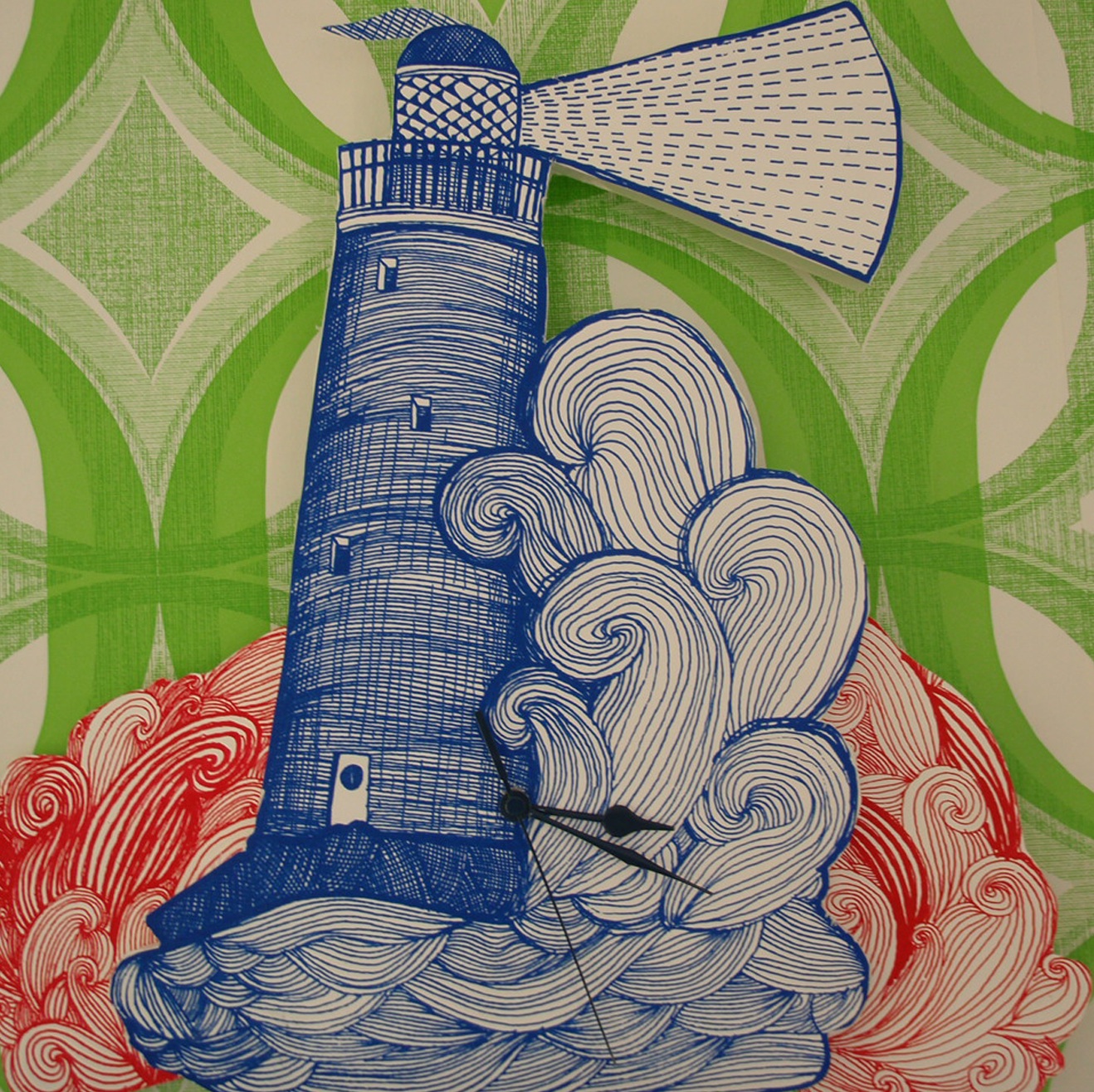
'Lighthouse' by David Hampton

It’s interesting to speculate about the social pressure, the sheer claustrophobia, of being left alone on an island in a close-knit society of Quaker women. The knowledge that, if rendered desperate by your cold lump of plaster, you f***ed another person, the news of it would be all over the village by morning, even before your sheets had time to dry. An ensuing trial of ostracism, bitter judgement and fraught female relationships. It’s the dark side of community, the thing that we were all running from when we left our villages and moved to the anonymous cities. And it’s probably one of the reasons why people like the connectedness that sustainability implies, but also shy away from it.

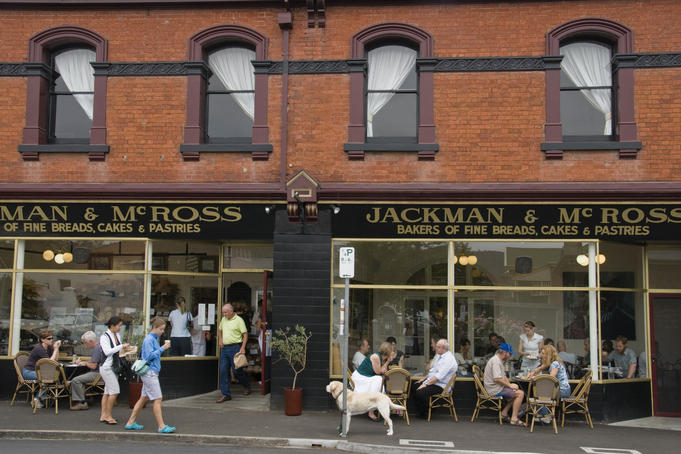
Jackman and McRoss: home of a damned fine cake (image source http://media.lonelyplanet.com)

A few months ago, my Aunty Pam, cousin Jules and I were sitting around talking. It was a cold Tasmanian night, we’d just eaten some very fine cake (Jules had brought it for his Mum) and were curled up in leather chairs, drinking hot cups of tea. Jules and I grew up in Hobart, Aunty Pam was born in New Zealand but the family moved to Tasmania when she was a little girl. They settled first in the northern industrial town of Burnie and then moved south to Hobart. I was blithering on about how I hadn’t decided where I wanted to bring Sophie up, the pros and cons of an urban existence versus a rural one, educational opportunities in different areas, my experience of growing up on an isolated island like Tasmania, and on and on. ‘Well, what do you want?’ asked Pam patiently. I thought about it for a minute and then replied: ‘what I want, doesn’t exist. I want to live in a village full of cultured, sophisticated and intelligent people… who mind their own business!’ We all howled with laughter.
As it’s been one of those weeks, busy yet ineffective, let me begin with some trivia. At yesterday’s Zumba class, towards the end when you are tired and the mind begins to wander, I drifted off into a dazed reverie during a Ricky Martin song. ‘Quando, quando… will you love me?’ crooned Ricky (in Spanish) ‘when will you be mine?’ Ricky’s plea was followed by a chorus of female voices, chanting in Spanish, something that sounded awfully like ‘fat cells, fat cells’. I just thought, in the context of a group exercise class, that this was kind of funny. Mollified by the chorus of the Spanish ladies, I came home and carbed up.

Last night my kid vomited all over her pjyamas and bedding, then rushed happily into my bedroom to tell me that she had ‘spit’. It was about two oclock so I didn’t really comprehend what she was telling me until I put my hand on her matress and felt warm, damp squish. Even her favourite toy, a benevolent looking tufted leopard, predictably named Spotty, got nailed. Today Spotty was still damp.

Another domestic vingette: today Sophie, feeling perky after her spew, decided to wrestle the vacuum cleaner hose. I stood back and watched for a while. It was a dramatic performance that had a Medusa versus the Gorgons appeal; she was really getting into it, the hose whipping around like some demented python, gripped tight by chubby toddler fists. I’m probably reading too much into it, but I don’t think my daughter likes any domestic appliances that take Mummy’s attention away from Sophie- I’ve noticed her slyly step on my laptop a few times.

Professionally I’ve been sticking with my goal of getting at least one article or grant application out there per month. The latest things to go out were an entry into the Hobart Art Prize and a proposal for an art event planned to run alongside the Australian Animal Studies Group conference ‘Animals, people- a shared environment’  in July, Brisbane. I’m trying to plan my creative output so that I’m making stuff that can be exhibited in multiple venues, at different times, or at least be recycled into new forms for future exhibitions. This isn’t laziness, just recognition that I’ve got limited time to make things, and with the time that I do have, I can’t afford to stuff around.

Finally, as promised some weeks ago, here’s a draft of the first chapter of my crime novel Beautiful Day, otherwise known as my Novel Night Job. I should just let you read and form your own impressions, instead of editorializing, but goddammit, I can’t resist! A key thematic arch of the story is main character Jon’s transition from selfish, sexist, spoilt egotist to… well, someone who is less of a pain in the ass. The climax of the story will be just as much about personal transformation as it is about pulling together the whodunit threads and naming the killer.
Technically I’m playing with the use of tense; it’s something that I’ve always struggled with. I remember learning to write in primary school and a teacher explaining that I couldn’t write ‘I’m climbing out the window’ because how could I climb out of a window, holding a notebook, and writing the whole time. This struck me as wrong then and it strikes me as wrong now: I like the idea of trying to transcribe an inner voice to an invisible audience. My natural inclination is always to write in the present tense (which I’ve nicknamed Playstation tense, because I use it to get this sense of heightened but slightly artificial reality) but I accept that this can become monotonous.

The great American crime writer: James Ellroy

My favourite crime novel climax of all time is a scene in a James Ellroy novel, I can’t remember which one, when the main character, a flawed police officer, confronts a rich family with their murder of a young actress. Standing in their living room, he silently pulls out his gun and shoots a Ming vase, then slowly turns and blasts the other priceless antiques lining the room. God it was good. The perfect example of ‘show, don’t tell’: the character saying without words that he is nothing like this family, that they cannot buy him, and nothing can save them now. I’m still at the stage with my writing, particularly with this novel, that I’m telling more than showing- I can see it but I can’t get it, yet. Wish me luck!

chapteronepdf

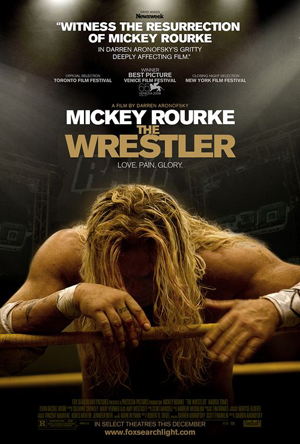
Like many leftie, university educated feminists, I have a secret penchant for the World Wrestling Federation. Unable to watch it in long bursts, I’m not that sick, I find the few illicit snatches I view thrilling. There’s something about the combination of steroids, bad acting, men in leotards, ripped torsos, comic book costumes and a blood hungry crowd. It’s Rocky Five crossed with The Dark Knight comic series, blended with some kind of primal Lord of the Flies kid’s game. I was catapulted even further into this delusional state by Mickey Rourke’s stupendous performance as an aging athlete in The Wrestler.
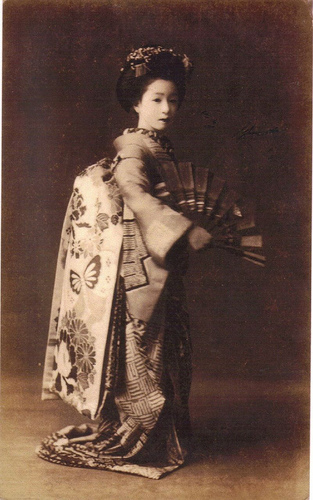
Anyway, if I had a million bucks, I would recruit a tall, kick ass, cross dressing Japanese wrestler and debut him in the WWF in full drag, hopefully somewhere deep in the American South (albeit with good personal protection and an efficient security team). Here’s his costume: silk kimono, white painted face, long black hair up in a bun with ornate clips, demure expression, dainty floral shoes.
Picture this: a dark stadium, a spotlight slicing down onto an empty ring, the swollen crowd pants with anticipation. In shuffles my man, head down, arms folded into the sleeves of his shining garment. He stands in silence in the middle of the ring. When the anthem to the Karate Kid blasts out, the six-foot geisha slowly unfolds his arms, revealing long red nails, and raises his hands like claws. Slowly lifting his painted face, he lets out a ghastly martial arts scream through rouged lips. The crowd goes crazy as the sound of shakahachi flutes trills the theme from High Noon. ‘Ladies and Gentlemen’ bawls the announcer over the loudspeaker, barely able to make himself heard, voice hoarse with emotion, ‘all the way from Toyko, please welcome….The Fascinator!’

It’s probably worth explaining why I want to do this. One of my former students, a quiet girl with flawless skin, had a passion for geisha. For her final assessment, she dressed her sister up in full geisha regalia and Photoshopped her into a range of different locations. I had tried, quite irresponsibly, to encourage this student to surrender to her obsession and spend a week going around Newcastle dressed up a like a geisha girl (this is only really funny if you know Newcastle). And document it: photographs of geisha in Burger King queue, kimino clad geisha at the beach playing volleyball with the bikini brigade, geisha attending lectures. ‘You could just refuse’ I suggested ‘to take the costume off: the anti-discrimination Act provides ample cover for this kind of thing’.

During the course of talking with this student about all things geisha, she enlightened me as to the meaning of the word ‘fascinator’. I had no idea that it meant a decorative hair clip with dangling bits and perhaps a jewel or feather or two. Very geisha (or rather very Western idea of geisha).  And so the dream of my Japanese WWF warrior was born. ‘The Fascinator: coming soon to a stadium near you!’

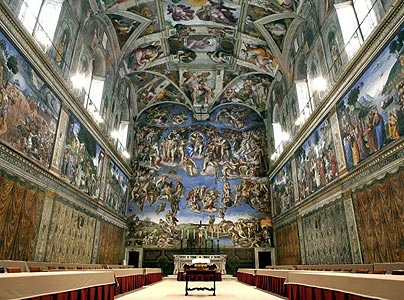
If another million bucks landed in my lap, I would be tempted to hire the Sistine Chapel for a night, empty it of people, and install a large, comfortable bed with immaculate white sheets. I would like to sleep in the chapel for a night, without any kind of electric light or other furnishings, and early in the morning wake to see the murals. I imagine light slowly coming in the arched windows, probably hitting the wall high up, and then gradually travelling down, the noise of Rome slowly building as the city wakes, the distant sounds of traffic and horns beeping. Cold air in the chapel, the smell of stone, old tiles under my bare feet.

I would like to be by myself. And in the morning I would like to stay in bed until about nine or ten oclock, and then have a beautiful Italian waiter bring me an exceptionally good cup of coffee in bed. No food, no sex, just waking up with divine art and fine caffeine. I would happily pay a million dollars for such a thing.

Another piece of art that will probably never get made, but something that I would like to do, is a short film set in a gym. Gyms are this weird cultural no-go zone where nothing interesting ever happens, it’s perhaps for this reason I have some of my best ideas while working out. The other day, I finished my Pump class, and like everyone else, staggered off to put my bar and weights back on the rack. Lifting weights causes this massive hormonal surge to tsunami through your system. Everyone’s body is different, but for me the effect is that I’m quite aggressive for the next hour or so: I’ve learnt to avoid conversations during this period.

I imagined this cute little film, which started just after the end of the class, when everyone politely smiles at each other, wipes their sweat off the floor and puts their gear away. What would happen, I mused, if someone shattered this fragile hormonal truce and started some kind of altercation with another person. Would everyone else join in? Would there be this sudden, Pump inspired crazy moment of communal violence? And wouldn’t it be even stranger if it happened in the weird sanitised environment of a gym?

I imagined this small Jerry Springer style dispute flaring into this beautiful choreographed martial arts session with people using their Pump bars like fighting sticks, a little bit Bruce Lee, a lot Kill Bill. Middle class girls in Lorna Jane apparel belting away at each other with gusto, screaming guys running at each other like pole volters, poles being hurled like javelins and sticking into the chipboard walls with a ‘twaaannnggg!’ Like all good martial arts movie sequences, no-one actually gets hurt, they fight to slow motion exhaustion, and the film ends with everyone at peace and passed out on the floor. I imagine the final shot panning directly upwards, up past the ceiling fan, right up to the ceiling, a pause, and then someone’s bottle of water falls over and the liquid spreads like a river amongst the bodies.

Back in the real world, I had some good news this week. I won a $2k grant to help make a piece of art in a local community garden. We’re going to do a public workshop to help generate ideas and imagery, and then paint a mural on a building next to the garden. I’m rather pleased about this as it brings together a number of things I like doing: gardening, art and doing stuff with teams of people. And it’s a pretty cool garden too.

As part of my ‘I’m-turning-fourty-so-it’s-best-to-freak-out-in-a-constructive-manner’ strategy, I’ve been pushing towards my ambition to earn a living solely from painting and writing (chorus of ‘she’s nuts!’) One of my targets is to try to write at least grant application and/or one published article per month. I started doing this in December, after I finished my book. So far I have three grant applications in the pipeline, one article that’s been accepted for publication by an American art magazine, and one article that I’m still trying to find a home for.

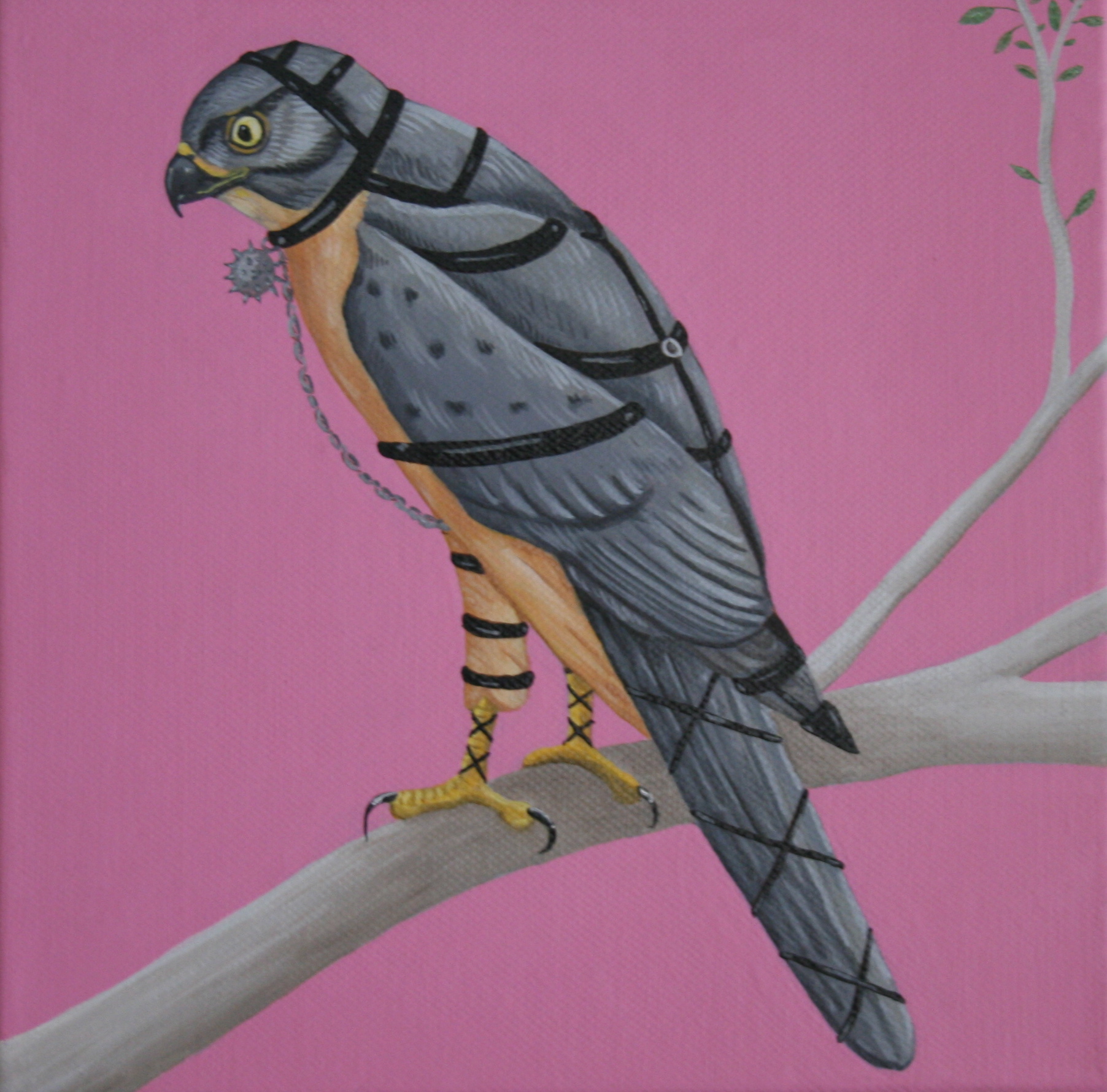
'sicko hawk', 20cm square, oil on canvas, 2011

Finally, the bird paintings I’ve used to illustrate this week’s blog are small paintings (eight inches square) from a series titled up against the bird wall. Eventually I hope to complete one hundred small canvases, and hang them in a grid formation on a large white wall, as part of the upcoming Year of the Bird group exhibition at Maitland Regional Art Gallery.

Initially I planned to paint all the birds on different shades of pink backgrounds, but I’ve since been thinking that this might look a bit sickly. Thematically, I was worried that the piece would read as being more about the colour pink, and it’s associations with cloying femininity and restrictive gender expectations, than the bird imagery itself. If anyone has any suggestions or thoughts on background colours, I’m happy to hear them.

I’m enjoying making this series. I’m trying to get sixteen finished by July (hoping to place them in an exhibition up in Queensland) so I’ll post images as they get done.

'wagtail with bound tail', oil on canvas, 20 cm square, 2011

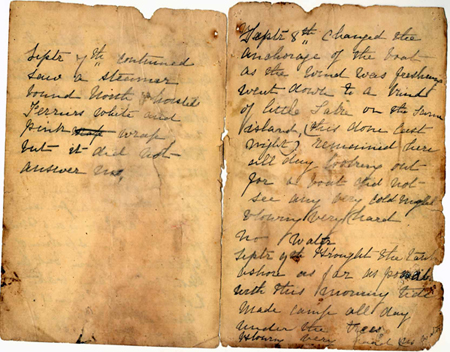
Mary Watson's diary


When I decided to start a blog, I did a brief tour of other people’s to see how to go about it. I discovered great stuff out there in cyberspace, very talented people generously sharing their ideas, but also noticed that some writers seemed to censor themselves, choose bland over bold, only include stuff that made them look good. I decided that blogging boiled down a to a simple decision: either write a polite blog and use it as a quasi publicity tool, or write the kind of blog that I’d like to read, and deal with any embarrassment or humiliation as it arose.

I like the blog format, the way it represents the continuation of the tradition of journal or diary keeping. I like how this kind of writing can be immediate, raw, uncensored, rough as guts, but sometimes contain such honesty and humour that you forgive it for all the crappy bits: the misunderstandings, vanity and relentless egotism. It can be as fascinating as a good letter, a drunken email, a bitter postcard.

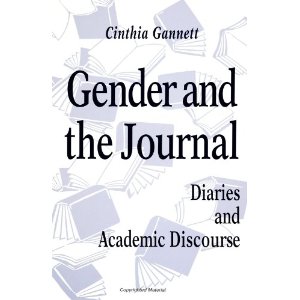
Last year I read Gender and the Journal: diaries and academic discourse by Cinthia Gannett. Loved it. Tracing the gendered nature of diary keeping, and therefore its tenuous status in the academy, the writer picked her way through the semantic difference between ‘diary’ and ‘journal’; examined the controversy surrounding the use of journals as an educational tool (when students start writing the unthinkable, or of the terrible things that have happened to them); cited various famous women’s diaries; and explored the idea of the journal as a ‘wild zone’ of creativity where people could unaffectedly be themselves or explore new identities.

Gender and the Journal: diaries and academic discourse

Here are some quotes that I particularly liked:

What would happen if one woman told the truth about her life? The world would split open. (page 81, Muriel Rukeyser, Kathe Kollwitz).

Could I write all, the world would turn to stone. (Catharine Sforzal 1462-1509)

Everyone knows that a place exists which is not economically or politically indebted to all the vileness and compromise. That is not obliged to reproduce the system. That is writing. If there is a somewhere else that can escape the infernal repetition, it lies in that direction, where it writes itself, where it dreams, where it invents new worlds. (Helene Cixous The Newly Born Woman, in Harriet Blodgett: Centuries of Female Days- English Women’s Private Diaries 1989).

The best of our writing is entangled with the messiness of our experience. (Nina Auerbach- Bauer 1990, 385).

It’s interesting because when I started this blog, just about no-one read it, so I was quite happy tap tap tapping away with whatever came into my head. Over time, however, I got better at working out how to link it with other social media and search engines, or perhaps word just spread, because now about a hundred people read it each week. In internet terms, this isn’t even a drop in the ocean, but for me it’s meaningful.

For some reason, though I’ve had stuff published in newspapers and magazines, I always thought about the reader in a generic sense (‘mustn’t bore the poor bastards…’) not as a collection of individuals and never in a numerical sense. Having an editor acting as a kind of filter gave me a sense that somehow I was less responsible for what I wrote. (Incidentally, I always like the story about the Tasmanian poet, Gwen Harwood, publishing a literary poem in a major national newspaper. It wasn’t until weeks later that people worked out that if you took the first letter of each stanza it spelt out ‘f**k all editors’).

I mention it purely because I’m currently battling self-consciousness. My ex-husband was helping me shift some furniture the other day, and when we put the heavy cabinet down, and were standing there puffing, he cracked ‘are you going to run off to the studio now and do some painting?’ He’d clearly read the blog entry where I’d described getting stuck into non-essential housework as a way of putting off making art.

At other times friends act as though we’ve had a conversation that we haven’t. They assume that I’ve read something, or done something, because I’ve blogged about it, not because I’ve discussed it with them. So that’s kind of weird too. I get emails that respond to the blog without mentioning it; people bringing up books I’ve just read or places I’ve recently visited; my Mum just waves her eyebrows at me. AP, speaking for all, and sounding guilty and interested, like he’d found my diary, reluctantly admitted ‘I read your blog…’

Although this blog is supposed to be about art and life, and how your life effects your creative work (and vice versa) it does sometimes stumble into quasi diary territory. I used to keep a diary, I started it a few months before my marriage hit the rocks, it was my place to pour out all the fear, pain and anger. But because I’m a writer, after a while I started looking at the diary’s contents objectively and musing ‘I could use this…’

At around this time I read The Bride Stripped Bare, a rather messy narrative adorned with some superb fragments of erotic literature. It started me daydreaming about the erotic genre. I’d read the Story of O years before (a library copy, thin with greasy pages) and had always meant to get around to writing, well, hardcore filth. So I decided to use my diary as the place where I could play with the idea of the erotic. And I wrote, and I wrote, and I wrote.

I tangled the whole thing up so it became a seamless piece of faction, named names, let my imagination off the leash, explored wordless cravings, subverted various provisions of the Crimes Act and generally had myself a high old time. Unfortunately I left the thing so badly hidden that at the height of the marriage breakdown, the raving, paranoid, jealous, half-crazed ex found it. You can’t imagine how well that went. Not. It was the worst possible combination of person, text and time. It reminded me of a quip from the diary of Jane Carlyle (wife of essayist Thomas Carlyle) who wrote that ‘I remember Charles Buller saying of the Duchess of Praslin’s murder, “What could a poor fellow do with a wife who kept a journal but murder her”’.

2 out of 3 ain't bad...


I’m finishing this entry with a triangle that AP sent me that represents his search for the perfect woman. In AP’s opinion, it’s not possible to have all three corners, you only ever get two at once. Enjoy.

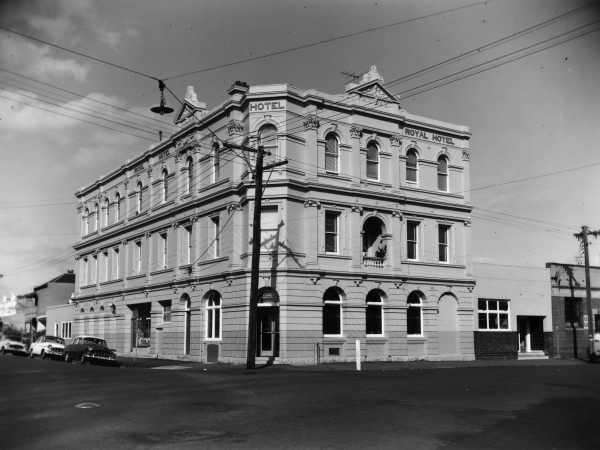
The Royal Hotel in 1964, courtesy of the State Library of Victoria


I have met two armed robbers. The first was an old Irish guy named Whitey who used to drink in a Clifton Hill (Melbourne) pub called the Royal Hotel. This was twenty years ago and Clifton Hill was just in the process of being gentrified; on every tree lined street, construction crews swarmed over the front of colonial era facades; trendy new European vehicles started to replace the beat up Fords and Holdens; local café’s stopped serving instant coffee in polystyreme mugs. Whitey was friendly, voluble, alcoholic, likeable and not at all sleazy. A guy with poor impulse control who had somehow learned to grow old gracefully.

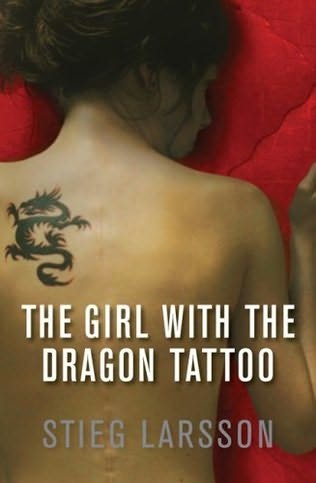
My cousin Rachel and I used to fly over to Melbourne from Tasmania each summer and work in bars, cafes and bakeries around the Fitzroy area. This particular summer we shared a cheap room in the Royal Hotel, survived on one meal of lasagne a day, and spent all our money on going out and dresses. I once blew $500 in one week, a fortune back then, on an extremely short gold sequinned frock and a dragon tattoo. The golden frock is long gone but the dragon still resides on my back. This amuses me because it’s almost identical to the cover of  Steig Larsson book The Girl with the Dragon Tattoo;  a magazine I found on a train tells me that lately young women across the world, inspired by Larsson’s heroine, are visiting tattoo parlours for the same dragon.

Despite my tattoo and my gold dress (the kind of frock that used to inspire spirited cries of ‘how much?’ from passing cars) I was quite naïve and my time in Melbourne was marked by a steep learning curve. Coming from a claustrophically small town like Hobart, I struggled to understand the defining characteristics of the city: anonymous, disconnected, viral, violent, addictive, meaningful, superficial, sleazy, mercenary, disloyal, interesting. One hot day, walking through the CBD and knocking on business doors, looking for work, I stumbled into an upmarket brothel, mistaking it for a restaurant, and asked for a waitressing job. The madame laughed then interviewed me for a receptionist’s position. Having discovered my blind ignorance, she’d obviously decided to have a bit of fun with me. I remember her explaining how the security shield in front of the receptionist’s cubby hole worked, stone eyes looking straight into my unlined face. She smirked and said something about getting the screen up quickly if someone had a gun to my head.

Part of the interview included a guided tour of the brothel. I still retain some strong impressions: pink towels folded into fans on the beds; the euphemistically titled party room; strategically placed mirrors; bored wise-cracking girls with strong Australian accents playing pool and a television blaring in an empty backroom; an immaculate blonde receptionist with straight hair and no emotion, none. A well dressed man bounced in, asked if Rebecca was in, and when the receptionist said no, bounded off again. It struck me as strange that in a city like Melbourne, an anonymous man could or would be loyal to a prostitute. I remember the madame saying that if a client was being given a freebie, the receptionist was not to tell the girls: apparently they wouldn’t talk to the guy if they knew he wasn’t paying.

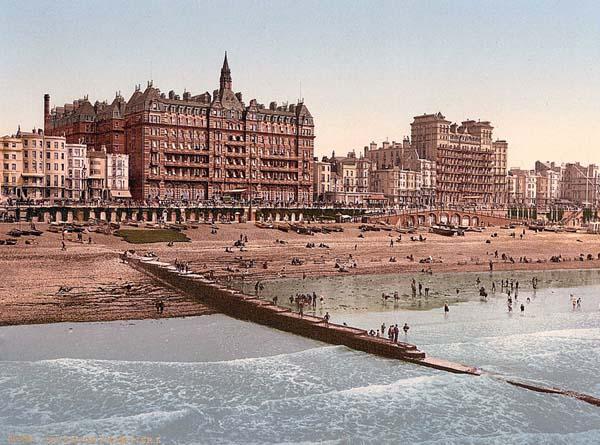
Brighton circa 1890

The second armed robber I met in the late 90s when I spent a year living in the seaside town of Brighton, south of London, in a depressing one bedroom apartment with my first husband. Tony was in his 50s and lived downstairs. In his youth he’d held up a Post Office, a crime that carries a heavy sentence in England, and they’d thrown the book at him. He’d been in prison for so long that he’d learned to cook really well and he could sew anything. He used to invite us around for extremely tasty marinated chicken wings. I can’t remember what he put in the marinade, I wish I’d written it down, because they were just delicious.

Tony was a tough guy. There are very few trees in Brighton, the area I was living was not that sort of neighbourhood, but for reasons known only to himself, Tony owned a chainsaw. His flat was always immaculately neat, everything squared to the corners and surfaces dusted, he also liked peace and quiet. Sometimes when there was too much noise on the street, usually drunk gangs fighting on a Saturday night, he used to rev up his chainsaw and run outside screaming. Generally after a shocked pause, while pale faced yobs contemplated the chainsaw’s horribly whirring blade, the street cleared quite quickly. Everyone sobered up and went home.

Tony was an asthmatic but that didn’t go with his image (tattoes, black t-shirt, cigarettes, women, booze) so he usually left his ventalin at home. A couple of times while I was his neighbour an ambulance brought him home because he’d had an asthma attack. I’d sometimes nag him about taking his puffer with him when he went out drinking, but he never listened. The ambulance drivers got to know him pretty well. Interestingly, Tony used to refer to the impulse to commit armed hold ups as ‘robbery fever’.

***

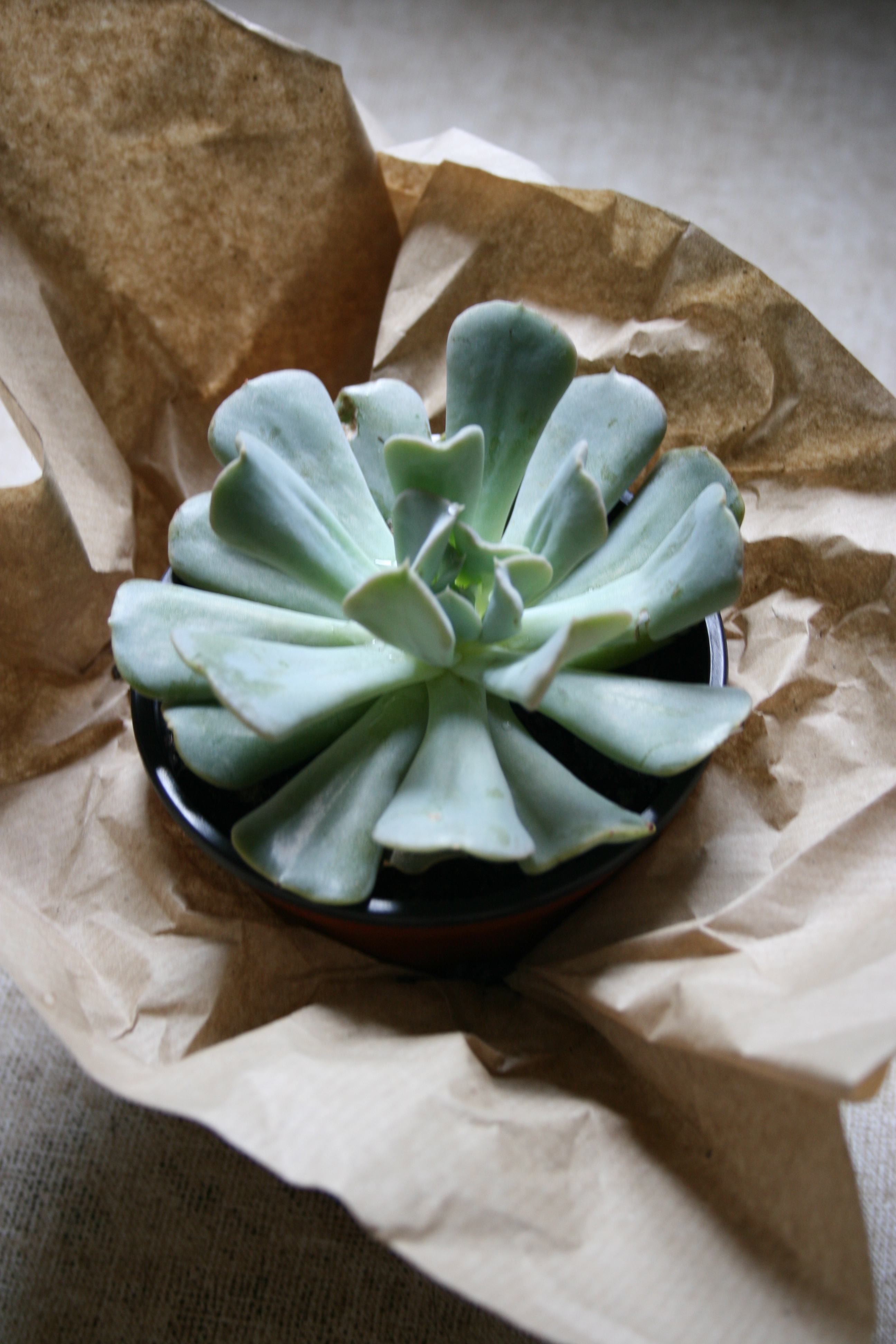
The potted succulent: a souvenir from KS's wedding

This last week I’ve spent a bit of time musing about a potted succulent that is currently sitting on my kitchen bench. The succulent is wrapped in brown paper and adorned with a natty dark red ribbon; it is a souvenir from KS’s wedding last weekend. I’ve been thinking about love and succulents, love and cactuses, love and other things that grow, wither and regenerate. Like many romantics who have stubbed their toe on the marital altar, I remain both deeply in love with the idea of love and scared to death of it. Weddings fill me with joy, hope, bitterness and terror in equal measure.

KS’s reception was held in an old warehouse style building with exposed beams and a high chapel style ceiling. At one point during the ceremony, the part where family members welcome the bride or husband as a new son, daughter or sibling, I daydreamed that giant birds were flying through the space, entering through one wall, winging their way through the triangular shapes of the ceiling beams, and exiting via the far wall, a giant unbroken stream of feathery wings. It was most peculiar. I still haven’t worked out what, if anything, it means.

The increasingly photogenic succulent in action.

***

Generation Y take note: when a person uses the word ‘random’, there is nothing genuinely random or uncalculated about it: they are choosing to highlight something that is important to them or the end point of intense deliberation. For example, a breezy Facebook-ism like ‘these are just some random photos of me’ represents a careful act of choosing. Similarly, I would describe this blog as containing ‘random stuff’.

***

I was in a department store once, years ago, and a woman came in to buy some fake nails. She was talking earnestly to the shop assistant, explaining that she needed the nails for her job. She was quite insistent that they were a job requirement, I got the impression she couldn’t work without them. I always wondered what she did. I wish I’d asked.

***

The Marcel Wave

Sitting on a train platform the other day, I noticed a group of elegant elderly women sitting in front of me. They were clearly dressed up for an important day out; the woman directly in front of me had her hair styled into four immaculately sculpted waves. Another old woman came and sat down beside me. She gestured to the group sitting in front of us and grinned conspiratorially, ‘I wonder where they’re off to’ she muttered under her breath. We speculated: perhaps a day in the country, maybe a concert or a play? ‘You don’t often see people dressed up like that’ the woman mused, sounding a bit envious. I told her that my friend (KS) was getting married that weekend and she was thinking of styling her hair into classic 1920s waves, like the woman in front of us. The old woman thought hard for a minute, ‘I can’t remember what they call that style’ she said ‘it’s on the tip of my tongue…’ Minutes passed and the train creaked and groaned into the station. ‘The Marcel Wave’ the old woman suddenly announced ‘that’s what they used to call it’. I thanked her, we agreed that finding out where the women were going would spoil the mystery, and I got on the train.

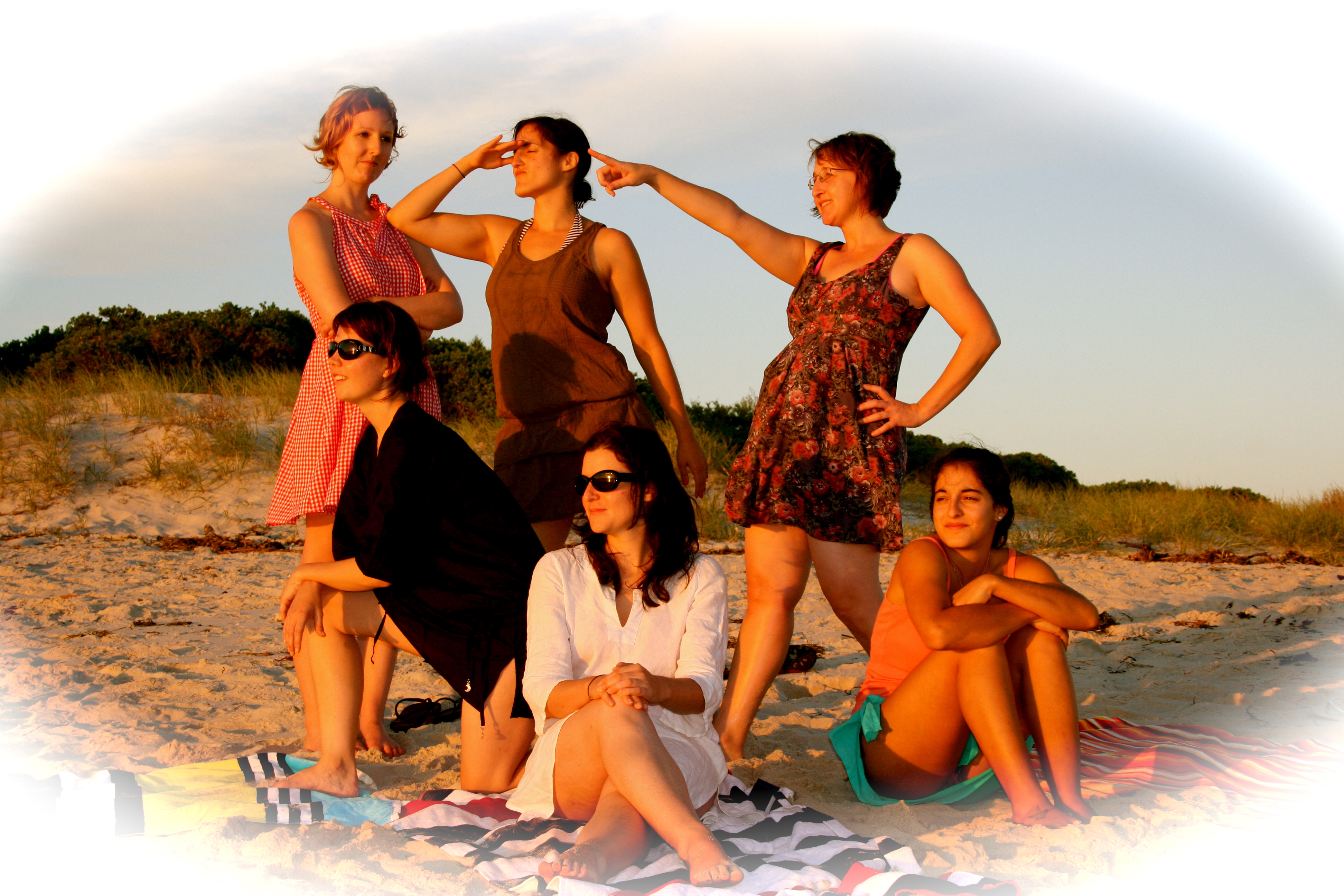
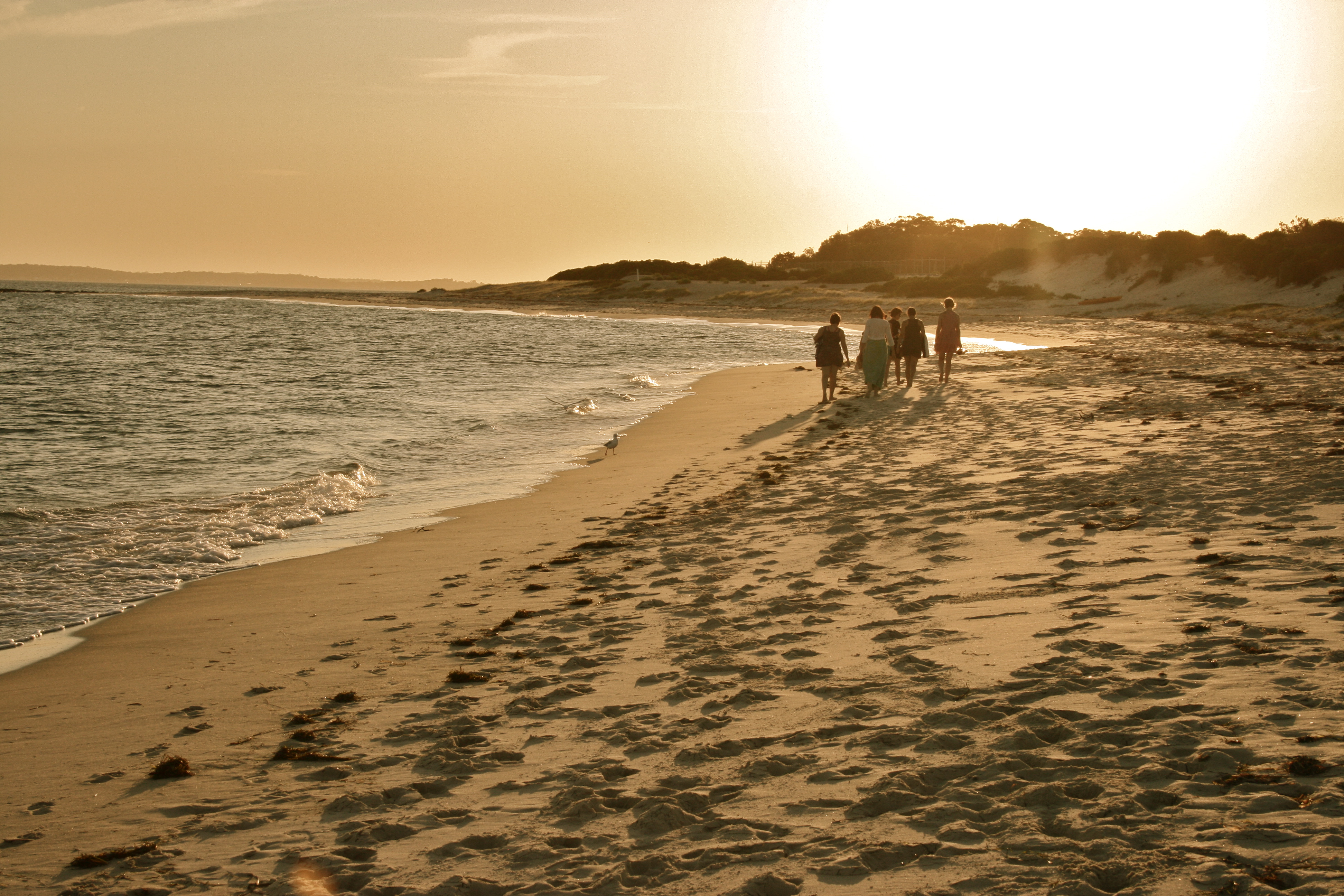
Hen's weekend at Hawk's Nest- last weekend


A strange experience last night, when I fell head over heels into a depression pit, for no sensible reason. It’s an odd sensation, like suddenly dropping into a hole, a deep badly lit hole, with greasy walls. You shake yourself, try a bit of sensible self-scolding ‘oh for God’s sake princess, harden up’ but nothing works. All the good stuff: humour, resilience, self-discipline, optimism, energy, seems to suddenly vanish leaving this grey world. Going through the motions, it’s like your own personal electricity supply has been shut down, leaving you half alive and not quite sure how to get back to normal.

I’d had a good weekend. Sophie’s swim lesson first thing Saturday morning, the joy of watching a toddler practice their starfish float, bubbles and rocket arms; then I drove north for KS’s hens night at a beach cottage in Hawks Nest, so the plunge into greyness was surprising. Like a lot of creative people, actually like everyone, I experience occasional bouts of sadness, but it’s rarely something that lasts very long, I usually snap out of it in a day or two. I have friends with serious depression, and it’s nowhere near that level, more of a feeling that for a short period the colour has leached out of everything and everything becomes an effort. I remember one of my drawing teachers in Hobart had an endlessly sunny disposition, but every once in a while he’d be grey, delicate and shy. We asked him what was wrong once and he seemed surprised and touched that anyone had noticed, muttered something about him trying not to let it effect his teaching. (It’s small moments like this that feed my endless affection for artists).

Late afternoon at Hawk's Nest

I’ve long ago accepted this as part of my emotional landscape. If I can feel it approaching, I’ll be kind to myself, do very little, rest and eat a lot. The reason I mention it is that last night I did all these things and woke up this morning feeling fine. I realised that I’d just been extremely tired and had mistaken one thing for another. Years ago, working and working in my studio, preparing for my Masters show in London, I didn’t realise how run down I’d got until I literally fell over. Sitting in a daze on my studio floor it suddenly dawned on me that I was buggered. Beat. Totally stuffed. It’s something that has happened periodically over the years, particularly during highly creative periods. And I didn’t really mind it, not at all, it was just the price you paid; and usually if you’ve been working that hard you get something good out of it. Stepping off at the end of an intense creative cycle, real life seems as dull as cabbages.

Hawk's Nest at sunset

But this is the first time this has happened since I became a mother, so it was a shock. In the past I was pretty much free to curl up in a ball until I’d recovered, but now I’m not. Toddlers demand their parents to be 100% switched on, engaged, available, not sitting on the sofa wondering how to glue their brain back together. Luckily Aaron came over and played with Sophie, she went to bed at a reasonable hour and I got a decent night’s sleep. When I awoke this morning, the world felt like a completely different place.

It probably happened because I’ve been trying to cram so much into my life. It’s the combination of many factors: turning forty, knowing the university holidays are about to end and that I’ll have to start teaching again, a renewed determination to earn a living solely from painting and writing, a fear of wasting potential and time, the knowledge that the GFC has made it that much harder for artists to generate income.  Nearly every minute of my waking life has some purpose or activity attached to it: there is bugger all sit-on-the-sofa-and-eat-Tim-Tams down time.

Sunset at Hawk's Nest

Feeling this sense of urgency, I experiment with different ways of optimising time. Last week I read two things that counselled completely different time management strategies. In his post ‘My single greatest tip for achieving the perfect state of flow‘, writer and adventurer Shawn Mihalik suggested turning off the clock at the top of your computer in order to facilitate creativity. A day later KS emailed me to say that she was thinking of trying the Pomadoro Technique. It involves breaking the working day into 25 minute chunks and concentrating on one task at a time. It’s supposed to maximise efficiency and align with the brain’s innate concentration patterns:  I guess there’s not enough time to get bored and wonder what’s for lunch!

Anyway, it struck me that as an artist and a parent there are significant opposing forces at work in my life. As a mother I try and keep things to a fairly predictable routine (bedtimes, naps, meals and all that); as an artist I find inspiration strikes at the strangest times, at the gym or while grocery shopping, and that creativity doesn’t always line up with the parenting cycle. (For an engaging, though sometimes histrionic, exploration of the subject of art and motherhood, see Rachel Power’s The Divided Heart. Power writes eloquently on the paradoxical dilemma facing many female artists when they become mothers: they approach their creative practice with new-found determination, focus and intensity… at a period in their lives when they have very little time to produce work).

I’ve been collecting time management anecdotes from other artists, particularly those with families. Sculptor MC tells me that she was most productive when she had teenage children: she used to line up pieces of sculpture in the kitchen and sand them in between preparing the evening dinner (‘this pasta tastes gritty Mum!’) I went to a public lecture by the painter Leo Robba the other day and he spoke about snatching whatever minutes were available (at the beach, when other people were watching television) and working then. After flicking through slides of dozens of paintings, and noting the presence of hundreds more in his studio, he observed that over the years these minutes add up.