Archives for posts with tag: artists’ books

Image

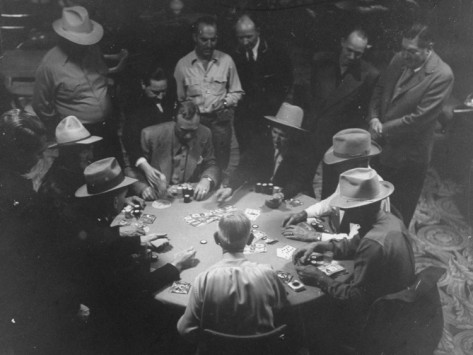
A few years ago, the saying ‘play the hand you’re dealt’ became popular. It popped up in cultish episodes of Stargate Universe, dropped from the mouth of champion sportspeople, and was generally bandied around. Suddenly it seemed that stoicism was fashionable. Now let me flashback to the long ago days of my Tasmanian childhood, when I used to play poker with my cousins, using matches as currency. Back in the day, the expression ‘bag o’nails’ meant that you ain’t got nothin’. Your hand failed to yield a pair, three of a kind, and was completely lacking in any kind of flush or run. While you might have had one or two good cards, perhaps an ace or a face card, together they didn’t fall into any kind of discernable pattern.

Similarly, my week has had some great cards, some stinking ones, and I’m yet to see the logic of it all. In the words of the great Kenny Rogers, I don’t know whether to hold ‘em or fold ‘em. This nostalgia for poker and playing one’s hand has triggered repeated bouts of singing The Gambler, which along with The Hurricane, is one of the few songs I know all the words to (sort of).
Image

The ace in the pack was Sophie’s eye surgery, which went splendidly well. The poor kid puked a few times after the anaesthetic, but otherwise healed in record time, and her eyes are now working fine. Great stuff! During our stay, we found what is possibly Sydney’s best gelato store. I have to recommend the pannacotta with fig jam and ameretti: if you’re in the area, it’s ice cream worth committing armed robbery for.

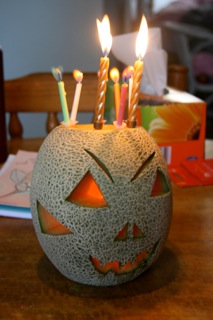
We came home from the hospital just in time for Halloween. In a last minute shopping expedition to our local supermarket, no pumpkins were to be found, so we brought home a melon and carved that instead. Strangely, the scale of the melon, very close to size and shape of a human skull, looked particularly creepy when cut. This was accentuated when we covered it with ‘day of the dead’ party candles and stuck it on a big white plate surrounded by chocolate frogs.
Image

Halloween, being more of an American celebration, and the whole thing about adopted traditions, leads me to the next card in my pack. Regular readers of this blog will know that for the last few years I’ve been fascinated by fairy tales. This manifested itself in Happily Ever After, a cute little exhibition of artists’ books, organised by fellow artist Caelli Jo Brooker and myself, and more recently in my PhD topic. I’m writing about the relationship between women, animals and power in revisionist fairy tales.

Happily Ever After brought together more than seventy artists, writers and bookbinders and asked them to work together to create new versions of traditional fairy tales, via the format of handmade books. And there were some crackers. Writer Danielle Wood partnered with illustrator Tony Flowers to invent a new version of the Japanese fairy tale Momataro, while a group of artists responded visually to passages from Carmel Bird’s book Cape Grimm.

Image

As a result of this project, I got to know Carmel Bird via email, and she very kindly asked me to be part of a book project she was putting together. Carmel wanted to look at how European fairy tales had merged with Australian or Aboriginal storytelling traditions, and ask ‘Is there an Australian fairy tale tradition?’ In the end, because this is a fairly esoteric area, she was having difficulty getting a publisher, so I suggested that she take the idea to the Griffith Review, dubbed ‘Australia’s best literary journal’, and offer her services as a contributing editor. I’m pleased to say that the Griffith Review just published a fairy tale themed edition, with Carmel Bird as part of the editorial team. My essay, ‘Metafur: literary representations of animals’, is also part of the edition. I’m quietly proud of this, and thrilled that fairy tales, as a topic of popular and academic interest, seems to be growing in this country.

But while this was a nice card, I also got dealt a joker. For the last few weeks, during exercise, I’ve been getting this strange pins and needles feeling, mainly in my left leg. On Monday, during a cardio class, it spread and became more intense. After the class I started feeling quite peculiar. I thought it might be a blood sugar issue, as I’d only had a light breakfast, so I ate a museli bar and fruit, but this didn’t make a difference. Then I thought it might relate to circulation, so I had a hot shower: still no difference. After this, I resorted to a cup of tea and sitting on the sofa. Even this classic first aid strategy didn’t help.

By this stage, I was experiencing numbness in three patches on the left side of my body, and with even the remote possibility of an impending stroke scaring the crap out of me, I hot tailed it into the nearest Emergency Department. To cut a long story short, after numerous tests, they’re still not sure what went wrong, but I’ve been referred along to a nuerologist and for a brain catscan. I’ve always said my thinking is disordered, and now I’ll have the evidence to prove it! Predictably, at least two people have ripped me off about the perils of physical exercise.
 Image

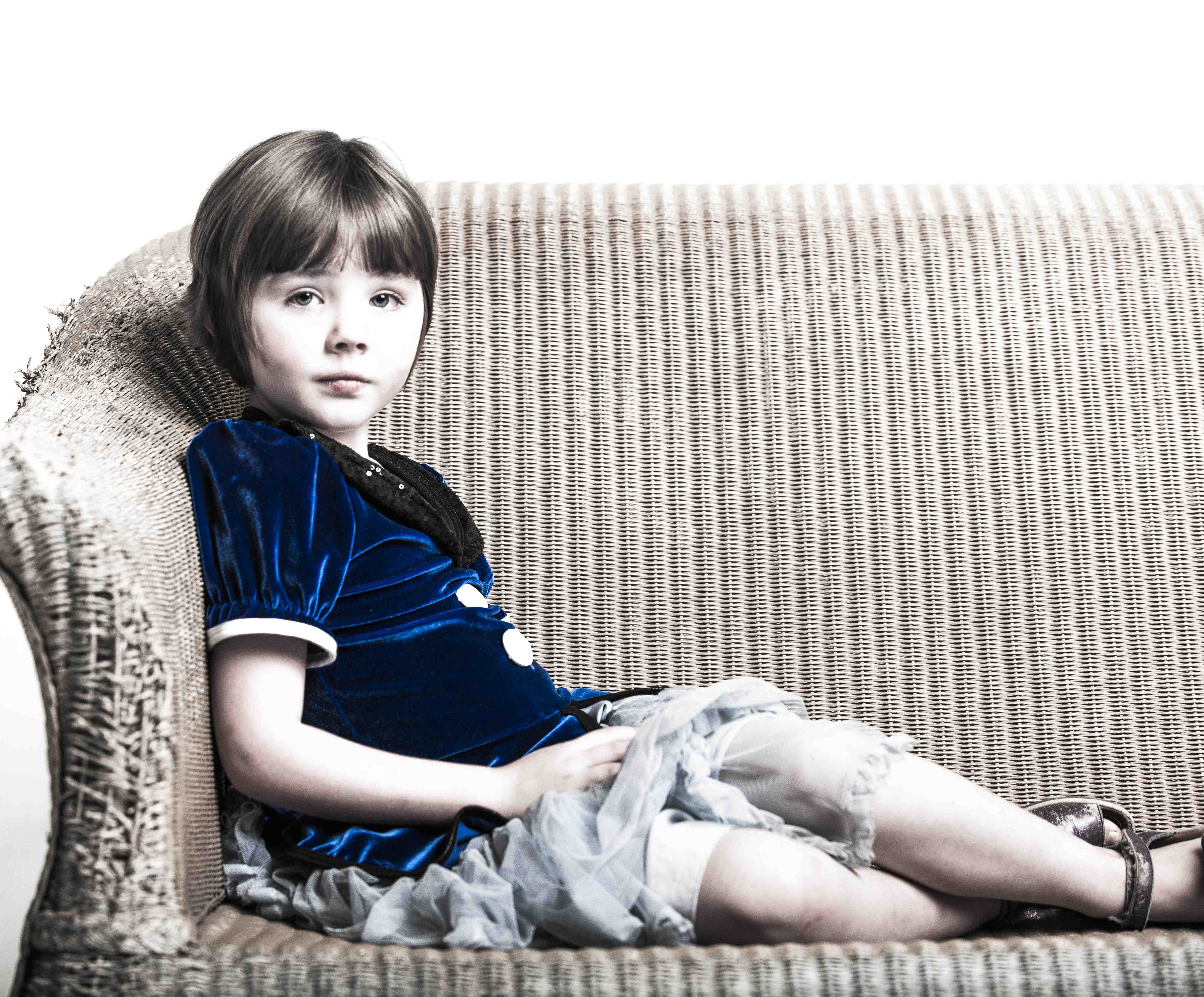
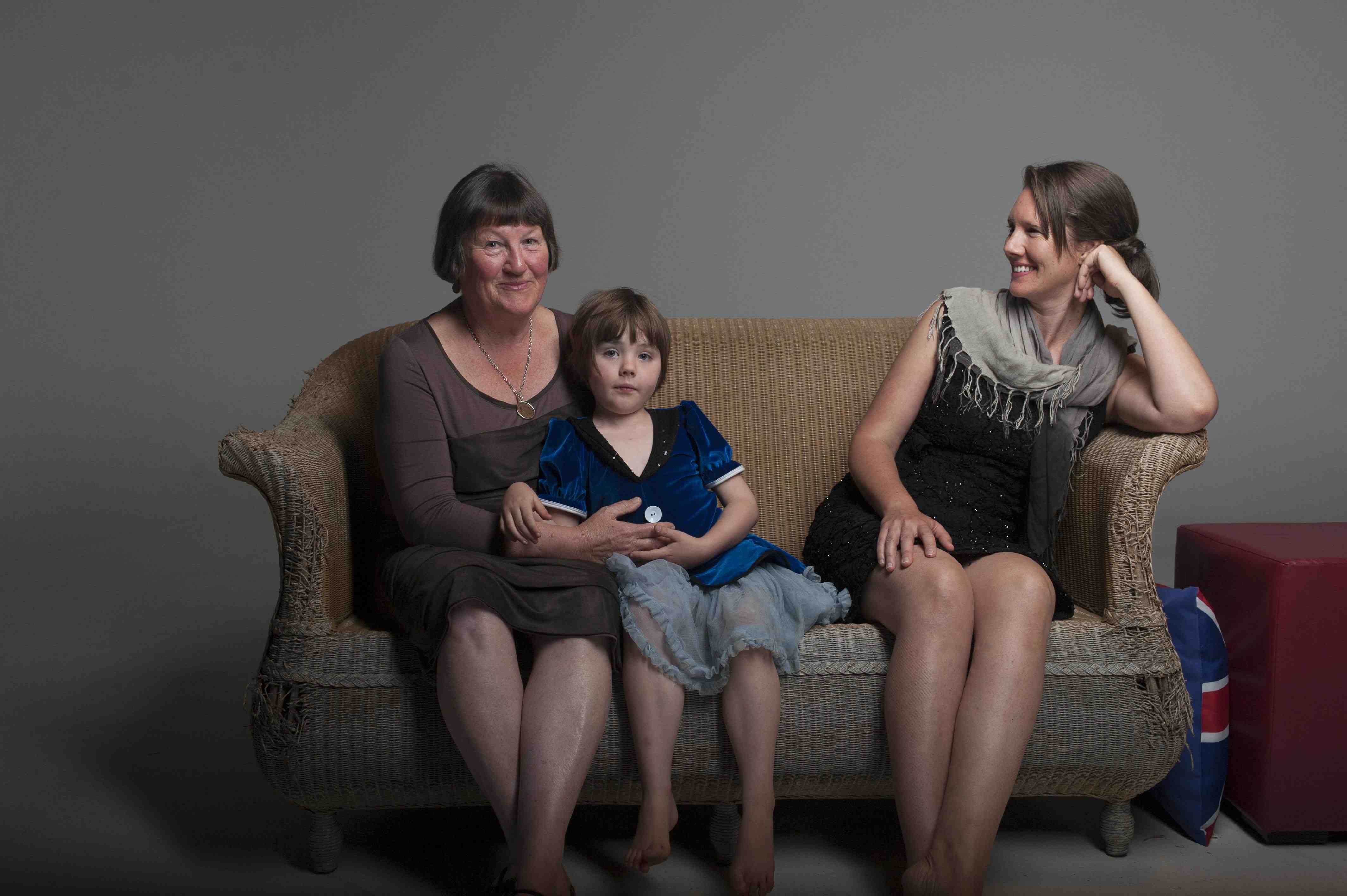
 Image credit: the portrait photograph of Sophie, and the one of my mother, Sophie and I (above), are the fine work of Firebug Photography
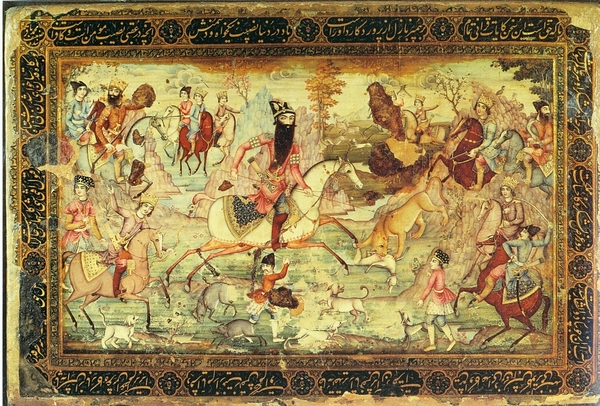

I woke up on Wednesday night at 3am, unable to sleep, and proceeded to write the introduction to the artist’s book, the project I’m working on with KRS, Caelli and Aunty Pam. KRS is doing the illustrations, Caelli is the designer and Aunty Pam the bookbinder. My story is a re-telling of the 1001 nights. Why I chose to link it to this famous tale is a story in itself. In a previous post, I mentioned keeping a private diary and its connection to a vague interest in someday writing erotic literature (probably inspired in part by Nikki Gemmell’s barn storming sequences in The Bride Stripped Bare, a lingering fascination for Lady Chatterley’s Lover and art student memories of The Story of O).

I knew that I wanted to use my diaries as reference material, and as I started keeping a diary when my marriage went (sound of plane crashing) perhaps link the Scheherazade narrative to a very modern tale of marital breakdown. I felt that 1001 nights would allow for a slightly fragmented, diary style narrative, written from the perspective of the female main character, with this constant atmosphere of anxiety pervading her stories and giving them intensity. I also liked the idea of people in times of stress taking refuge in fantasy, albeit in this case, erotic fantasy.

When I told her about using the Scheherazade character, KS made the excellent point that 1001 nights is art about art: the seductive powers of literature, the role of the author and their relationship with the reader etc. I liked these ideas too, and thought that they’d blend well with a slightly self-conscious, literary narrator.

Anyway, it didn’t happen. Maybe because it’s all too close to home, or perhaps just because I knew it wouldn’t make good literature, I ended up abandoning that idea. Instead I decided to write a version of 1001 nights that retained the Scheherzade character and setting (a vague somewhere on the Arabian Peninsula a long time ago) but which foregrounded the erotic potential of the story. Which is not entirely without precedent: in the original tale, by the end of the 1001 nights of ‘story-telling’, Scheherazade and the Sultan had three sons, and some versions apparently contain erotica.

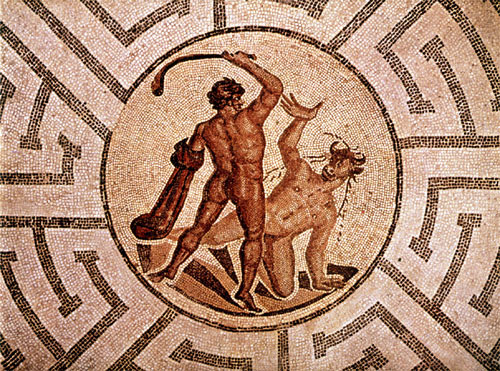
And it’s going ok (well, it’s going well actually, I just don’t want to jinx it). I’m at 10,000 words and I think that in the end it will be somewhere in the range of 15-20,000. Other than the general stuff you need to do to function and care for a kid, I’ve done very little this week except write. Like all pieces of writing, it only started to flow once I had the first sentence. I’m currently following the narrative as it unravels, like the myth of Ariadne’s lover, obsessively chasing her ball of red wool in the minotaur’s maze.

Sometimes, often when I’m driving or half asleep, I’ll think of the perfect sentence for a piece of writing. Then it’s a struggle to either find something to write with, memorise it, or just think bugger it, and go back to sleep. I’ve lost a lot of good stuff (or at least I remember it as being good: a bit like the fish that got away) by choosing to snooze. It was the middle of the night when the first sentence for 1001 nights arrived: ‘Soon the night will come, and to save my life, I must tell another story’. I sat up in bed, grabbed my trusty laptop, and wrote the first five pages. I was surprised at how easily the writing flowed in the middle of the night. I often think that writing when you’re half conscious is a good idea as it effectively suspends the critical mind.

The next morning, still dazed from my broken sleep, Sophie came rushing into my room to announce that she had wet her pull up: pool of urine on the floor, off comes the pull up. Then she dashed off to get some grapes out of the fridge, and brought them back into my bed for a snack and a cuddle. Being a kind toddler, she offered to share her grapes, and I politely took one. By the time I got up and was in the car, I was still in this half-crazed dream state.

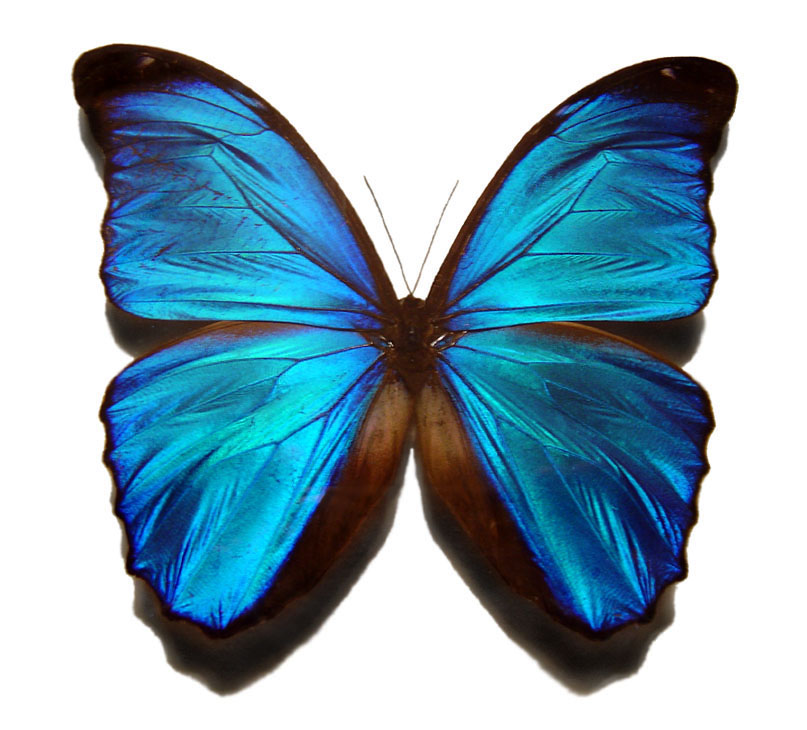
Twenty minutes later I was stuck in traffic, musing about the illustrations for 1001 nights: how many we needed, the etiquette of asking a friend to illustrate a book for you, whether I’d piss the friend off by being overly prescriptive with my suggestions for imagery, the sort of style that would work with the text. I was thinking about butterflies (yesterday Sophie was given her first butterfly net) and musing that as a metaphorical image, butterflies tied in nicely with ideas about female eroticism. Both species being difficult to define, hard to capture, glorious, uplifting, beauty destroyed by any attempt to preserve, exotic and fleeting. If I was being cynical, I’d say that they’re both something that animate life, but don’t stay around very long.

I was musing on the sad fact that women rarely trust their partners with the full extent of their erotic imagination, considering the reasons for, who responsible, strategies to negate, historical and cultural antecedents, impact of religious thinking upon, whether widespread phenomenon or fairly narrow, and if there was a great deal of difference in the degrees of erotic imagination amongst individuals (I mean, you’d expect there to be, but how can you tell?) Bang. Had to slam on the brakes as realized that I was about to rear end a four wheel drive with, wait for it, blue butterflies plastered across its spare wheel cover. Apologised to Sophie and made a mental note to email KRS with the butterfly suggestion.

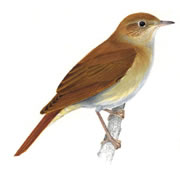
Another funny little co-incidence: in the draft of 1001 nights, I’ve used a nightingale to signify a portal to another world. It marks the line between the everyday mind and the erotic imagination, conscious and unconscious. I’ve been daydreaming about how, once we’ve finished this book, I’d like to have it professionally published with a cover illustration by Del Kathryn Barton. Yes, I can dream. Anyway, I was flicking through a magazine in the hairdressers today, two things I rarely do, and I found an article about DKB. Apparantely she is busily illustrating Oscar Wilde’s fairytale The Nightingale and the Rose, with the book published later this year. Gosh! I almost dropped my cup of you-paid-too-much-for-this-haircut mule urine herbal tea that fashionable saloons feel compelled to serve, and which suckers like me feel compelled to drink.

It’s funny, and I know other people feel this too, but it’s amazing how much more life makes sense if you just do what you want to do and let things take their own shape. Versus doing what you think you should be doing. It’s the blessing of following some kind of instinctive guidance or understanding. Or perhaps just bloody mindedness paying dividends.

This week’s cute toddler moment: Sophie dragging her clickety clack wooden crocodile toy across the floor yelling, with Lleyton Hewitt style fervour, ‘C’mon!’

http://www.uq.edu.au/news/ index.html?article=18844

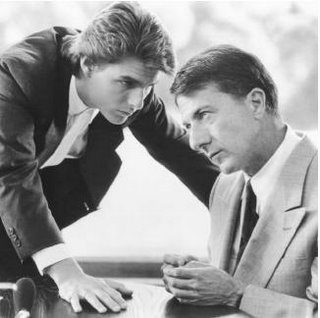
I’ve been thinking a lot about sustainability lately. The other day I left the car at home and caught the train into town with Sophie to do some shopping. For a toddler, a train is both exciting and frightening; her intense emotional reaction to an everyday experience changed it for me too. A bit like the scene in Rain Man, when the autistic Hoffman notes to the blinkered, urbane Cruise that the train is ‘shiny’. Cruise had not noticed, and he stops for a moment to consider, viewing the train with interest for the first time; it’s a small vignette of character transformation that tells you much about his changed inner life.

I suspect this is going to be a boring story, when people talk about their kids it often is, but bear with me. We arrive in town, walk to a second hand store where Sophie gets ‘new’ jeans and a nice pink top. Then head to the library to find that Sophie’s favourite Mr Chicken Goes to Paris book has been borrowed by another reader. We console ourselves with a Little Princess dvd. Then it’s off to the bank for cash, supermarket and back to Vinnies where I collect a massive iron candelabra that I’d left behind the counter earlier. By this time I’m carrying a heavy bag of shopping, a bag of second hand clothes, a candelabra, and dragging an increasingly fractious toddler by the hand.

'Mr Chicken Goes to Paris' by Leigh Hobbs

We head towards the train station, miss our train by ten minutes, the conductor tells us the next one won’t go for another hour, and bitches at Sophie for walking in front of the yellow line. So we wander off to the nearest park, swing for a while, decamp to a café for milkshakes, and then stagger back to the station with all our stuff. Arriving home, Sophie goes to sleep without a peep and I luxuriate with a peaceful, sleeping child cup of tea. In all, a fairly simple shopping trip has taken about three hours.

When people talk about sustainability, and how it intersects with community, they often don’t articulate the human dimension. One of the reasons that church and community groups in my area have been so keen to embrace sustainability principles is they sense how closely related the two sets of ideas are.

Here’s a diagram of the saving money/reducing resource use/building community relationships trifecta.

It works best with a concrete example: I take a train, saving me money, keeping one more car off the road. We’re walking, so I notice stuff about my town that I don’t normally see because I’m travelling too fast or looking for a place to park. We buy second hand stuff, which also saves me money, while supporting a local charity and reducing the resources used to make new stuff. While we’re in the store, we talk to the lady behind the counter (her daughter in law is about to have a baby, and the lady’s worried because both mother and baby will be Aries. ‘Constantly butting heads?’ I ask. ‘Exactly’ she responds).

Missing the train means that I go and explore the park next to the station, a place I’ve never been before. While Sophie’s happily balancing on the park’s sole concrete lion, I start mentally kicking around ideas about community art projects that would work well in the space. Finally, to fill in time before the train, it’s off to a locally owned café, thus keeping money in my community. Sophie gets a chocolate milkshake, I get to sit on my butt and watch her drink it, it’s a win-win for us both.

What really struck me about the day was that, mundane as it was, how much I enjoyed it. In many ways everything was a hassle, a lot less easy than just jumping in the car and popping into the shops; it’s really not fun to carry heavy bags while trying to keep your grip on a squirmy toddler. It also struck me that because it’s not normally something I would have done (I’d only left the car at home because Sophie’s car seat was unavailable) sustainable living is something that most people need to be pushed into. It makes things slower and more difficult. But I expect it also has the potential to make people happier.

Other than a lingering chest infection, it’s been a good week. The university accepted my proposal for some RTS funding which means that I can go to the Australian Animal Studies Group conference in in July. One of the keynote speakers is Nigel Rothfels, a key thinker in the area of my PhD topic (The human animal: the evolving role(s) of the animal in contemporary art) so I’m looking forward to that.

I flipped into media tart overdrive earlier in the week during a spruiking drive for Caelli Jo Booker and my upcoming exhibition of artists’ books at the John Paynter Gallery, Newcastle, in June. Titled Happily Ever After: alternative destinies in contemporary feminine narrative (see, there, I’m doing it again) the exhibition brings together teams of artists and writers and invites them to re-tell fairy tales in a contemporary manner. We’re really excited because we’ve just confirmed that Tasmanian novelist Danielle Wood, winner of the Australian/Vogel Literary Prize, will be working with illustrator Tony Flowers to create a book. I can’t wait to see it!

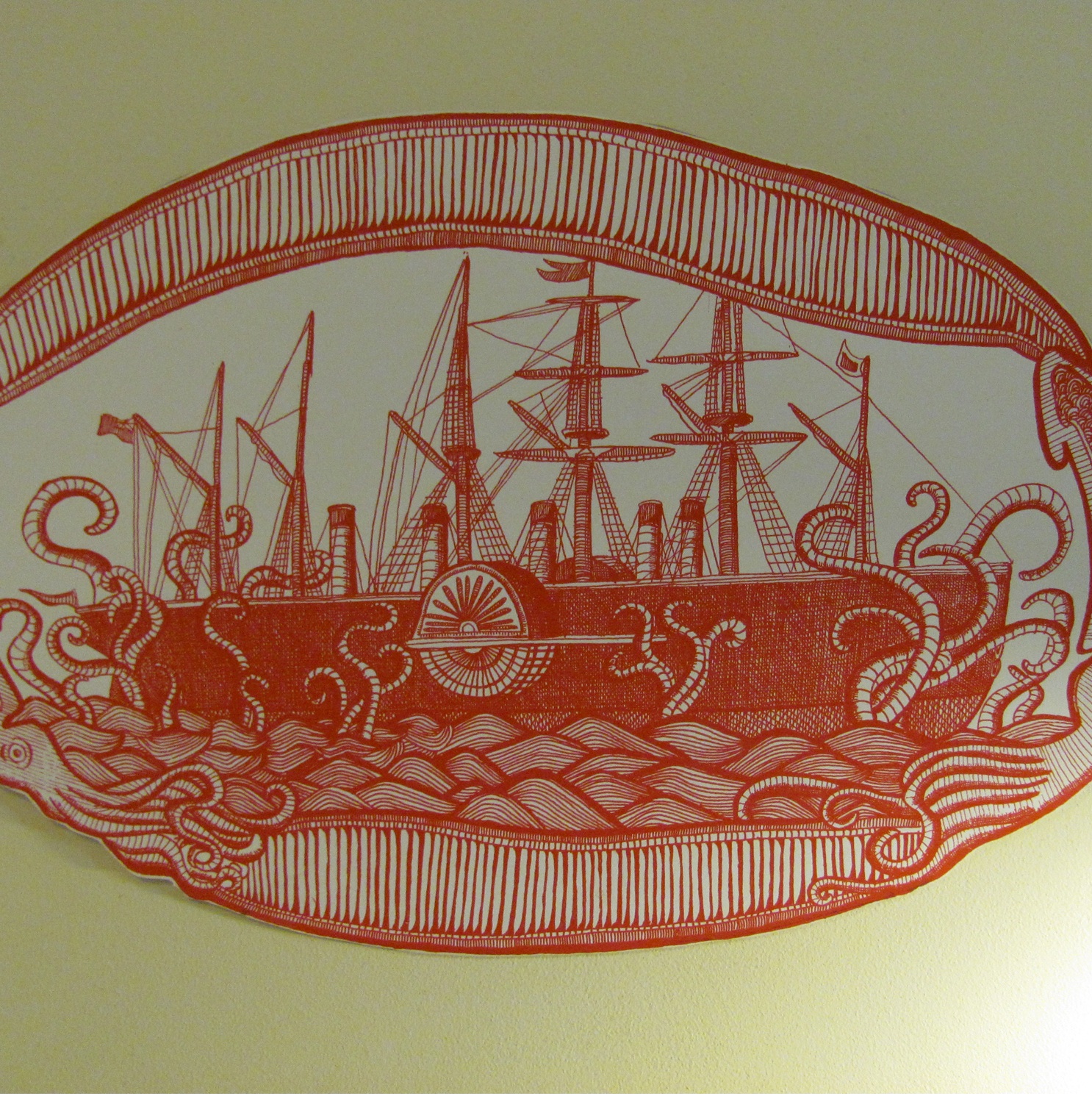
David Hampton's 'SS Great Eastern'

For the exhibition, I’ve written a short story that will be illustrated by Newcastle’s David Hampton and made into a book by my Aunty Pam. The story, Whalesong, is based on last year’s Ady Gil incident, where a New Zealand protest vessel and a Japanese whaler collided in Antarctic waters. It’s a kind of homage to Moby Dick, one of my formative texts, a book that still fills me with desire. My story is written in the first person from the whale’s perspective. I’m currently playing with this idea of writing the animal voice, trying to avoid the common slide into sentimentality or romanticism by making my main character a bit obnoxious and a little histrionic.

Another image by David Hampton

An odd coincidence: after I’d emailed the story draft through to David, he responded to say that he’d just finished watching a documentary account of the sinking of the whaling vessel Essex, the true story that inspired Moby Dick. A couple of days later I was in the country village of Wollombi, browsing in a small, second hand store, and picked up a novel with a picture of whale flukes on the cover. It was In the Heart of the Sea, an account of the Essex tragedy by Nathaniel Philbrick. I brought it because it had a pretty cover and a positive blurb by Annie Proulx, author of The Shipping News, on the back.

(A brief digression:  if you’re up that way, Café Wollombi does really nice food. Imagine the worst roast vegetable focaccia you’ve ever had: a few miserable pieces of eggplant, a scrape of rancid pesto, bread as stiff as stale cardboard, an anemically thin slice of grilled fetta, the alleged vegetables as brown and slimy as compost. You probably paid $7.50 for the thing, $10 at the airport, and when it was plonked down in front of you, the person rushed off in case you yelled at them. Later, you hear them yelling at the chef. Add bad air conditioning, a greasy napkin, plastic wrap and the sound of traffic and you’ve got your average vegie focaccia. As a vegetarian, I’ve chomped my way through many such travesties.

In Wollombi, you sit out on wooden verandah, the sun on your back, watching birds scoot past and a line of ants tackling the Everest of your chair leg. A trendy, funny girl with knee socks takes your order and returns with food in an admirably short time. Big fat foccacia, stuffed with roast vegetables and annoited with pesto so fresh that it hasn’t had time to oxidise. Why would you go anywhere else?)

Although I’m only a bit of the way through, In the Heart of the Sea is proving to be a fascinating read. Philbrick talks about the island of Nantucket: the way the society came to embrace Quakerism, what this meant to the island’s culture, economy and financial management. There’s a few scurrilous historical anecdotes about the Nantucket women, rumoured to be addicted to a morning dose of opium and marital aids, ‘he’s at home’ being the polite euphamism for the plaster cast dildos of the era. As the whaling industry expanded across the globe, Nantucket husbands were often away at sea for years, home for a few months, then gone again.

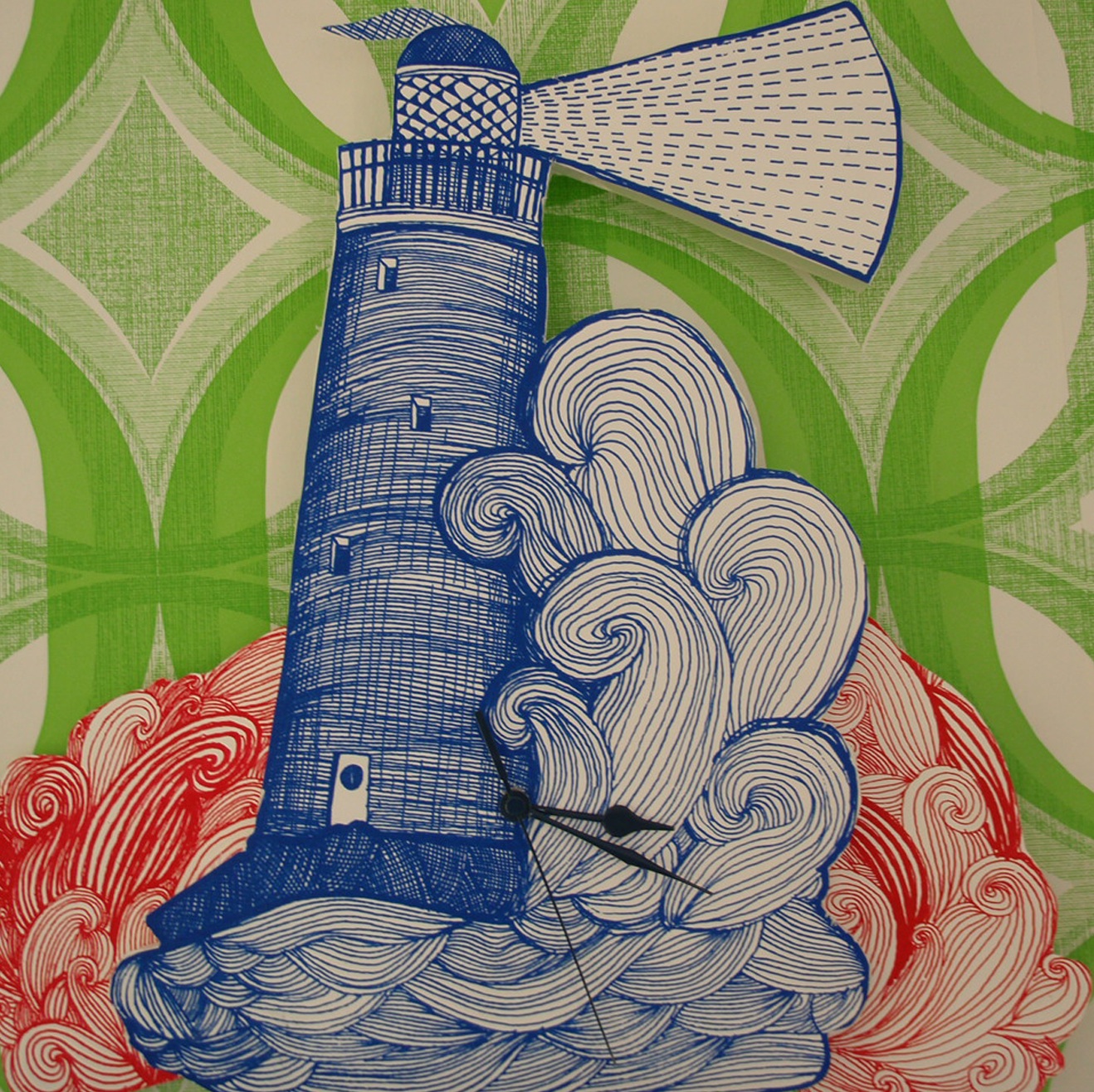
'Lighthouse' by David Hampton

It’s interesting to speculate about the social pressure, the sheer claustrophobia, of being left alone on an island in a close-knit society of Quaker women. The knowledge that, if rendered desperate by your cold lump of plaster, you f***ed another person, the news of it would be all over the village by morning, even before your sheets had time to dry. An ensuing trial of ostracism, bitter judgement and fraught female relationships. It’s the dark side of community, the thing that we were all running from when we left our villages and moved to the anonymous cities. And it’s probably one of the reasons why people like the connectedness that sustainability implies, but also shy away from it.

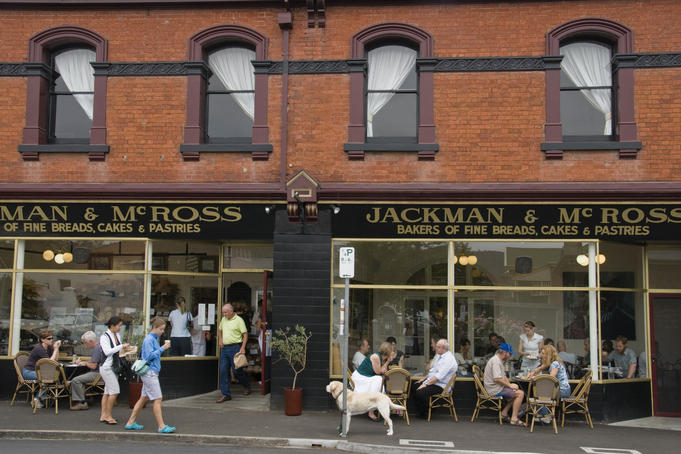
Jackman and McRoss: home of a damned fine cake (image source http://media.lonelyplanet.com)

A few months ago, my Aunty Pam, cousin Jules and I were sitting around talking. It was a cold Tasmanian night, we’d just eaten some very fine cake (Jules had brought it for his Mum) and were curled up in leather chairs, drinking hot cups of tea. Jules and I grew up in Hobart, Aunty Pam was born in New Zealand but the family moved to Tasmania when she was a little girl. They settled first in the northern industrial town of Burnie and then moved south to Hobart. I was blithering on about how I hadn’t decided where I wanted to bring Sophie up, the pros and cons of an urban existence versus a rural one, educational opportunities in different areas, my experience of growing up on an isolated island like Tasmania, and on and on. ‘Well, what do you want?’ asked Pam patiently. I thought about it for a minute and then replied: ‘what I want, doesn’t exist. I want to live in a village full of cultured, sophisticated and intelligent people… who mind their own business!’ We all howled with laughter.